Elevating Enterprise Security Through Architecture: A Strategic Blueprint for CDO TIMES readers
By James McGovern, Executive Contributing Author, CDO TIMES
The Nexus of EA and Security: A Synergistic Approach
Integrating Enterprise Architecture (EA) with Security Practices
Integrating Enterprise Architecture (EA) with security practices is pivotal in the digital transformation journey of businesses today. This synergy provides a structured framework, enabling Chief Data Officers (CDOs) to better understand the intricacies of their technological infrastructure. A holistic view of the organization’s technology landscape, through this integration, empowers CDOs to pinpoint and mitigate security vulnerabilities more efficiently. This method transcends traditional security measures, aligning security initiatives with business objectives, thus creating a resilient, business-focused security strategy. Recent studies have shown that companies adopting this approach have reported a significant decrease in security breaches, underlining the efficacy of this synergy.
Figure 1: Five Security Practices That Aid in Improving Outcomes

Predictive Threat Analysis: AI and Machine Learning at the Forefront

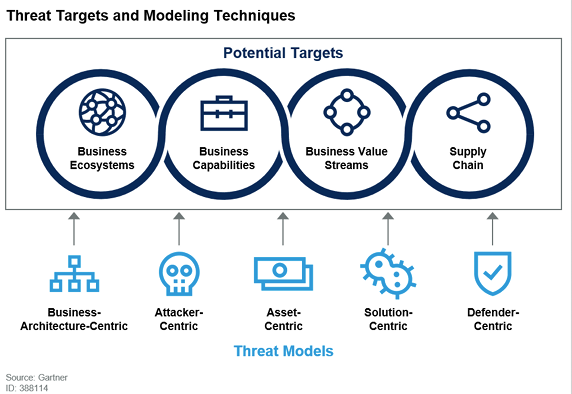
The incorporation of Artificial Intelligence (AI) and Machine Learning (ML) into EA is transforming security into a proactive rather than reactive function. These technologies enable predictive threat analysis, crucial in an era of complex and sophisticated cyber threats. By analyzing data patterns and behaviors, AI and ML can foresee potential threats, allowing organizations to pre-emptively strengthen their defenses. This forward-thinking approach not only enhances security but also optimizes resources by focusing efforts where they are most needed. A study by Cybersecurity Ventures predicts that AI in cybersecurity will lead to a reduction in cybercrime costs by up to 15% by 2025.
Figure 2: Threat Targets and Modeling Techniques
Automating Compliance: Staying Ahead of Regulatory Challenges

Automating compliance through EA is a strategic approach in maintaining agility in the rapidly changing regulatory landscape. This proactive method ensures continuous adherence to laws and regulations, thus mitigating risks associated with non-compliance. Automated compliance tools integrated within EA frameworks can dynamically adjust to new regulations, significantly reducing the manual effort and potential for human error. Companies leveraging this approach have seen a reduction in compliance costs and an improvement in compliance rates.
Data Privacy: A Core Component of Modern EA
In the current data-centric business environment, managing data privacy is a critical concern. EA plays a vital role in mapping data flows, identifying potential privacy risks, and implementing effective data governance. This proactive stance is crucial not just for regulatory compliance but for building and maintaining customer trust. Companies that effectively manage data privacy through EA have reported increased customer loyalty and trust, crucial factors for long-term business success.
Securing the Cloud: A Unified Security Posture
As cloud adoption accelerates, integrating cloud security within the EA framework becomes crucial. A unified security posture across all environments, including cloud and on-premises, ensures consistent and effective security measures. This approach is vital for businesses operating in hybrid IT environments, where the complexity of infrastructure can create security challenges. Companies adopting a unified security strategy have reported improved security incident response times and a more resilient IT infrastructure.
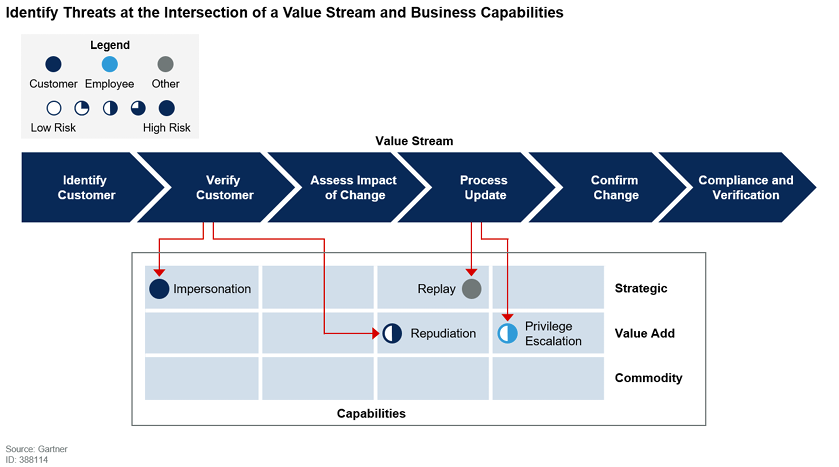
Figure 3 Identify Threats at the Intersection of a Value Stream and Business Capabilities
The Business Impact: Beyond Technicalities
Integrating EA with security practices signifies a paradigm shift from a technical to a strategic business perspective. This alignment enhances organizational resilience, enabling businesses to respond swiftly and effectively to both existing and emerging threats. Companies that have successfully integrated these practices have seen improved business continuity and reduced downtime in the face of security incidents.
Cost-Effective Risk Management: A Strategic Imperative
An integrated approach to EA and security results in more strategic and cost-effective risk management. By aligning security investments with business priorities, organizations ensure that resources are optimally allocated, thereby maximizing the return on investment. A report by Gartner highlights that companies with integrated EA and security strategies have seen a reduction in security-related costs by up to 30%.
Figure 3: Risk Rating Framework

Building Stakeholder Confidence: The Ultimate Goal
A robust EA-driven security framework is instrumental in building stakeholder confidence. It demonstrates a commitment to protecting assets and data, which is essential in today’s data-driven business landscape. Organizations that have adopted this approach have seen an improvement in their market reputation and stakeholder trust.
Figure 4: Impact and Risk Factors

An Actionable Plan to Incorporate EA with Security Practices
Creating an action plan for digital leaders to execute an enterprise architecture (EA) framework that integrates predictive threat analysis using AI and ML, automated compliance in regulated industries, data privacy management, cloud security in a hybrid IT environment, and aligns comprehensive security strategy with business goals involves several key steps:
- Establish a Clear Vision and Objectives
- Define Goals: Set specific, measurable, achievable, relevant, and time-bound (SMART) goals for the EA framework.
- Align with Business Strategy: Ensure that the EA framework is in line with the overall business strategy and objectives.
- Assess Current Capabilities and Gaps
- Conduct a Current State Assessment: Evaluate the existing IT infrastructure, security posture, compliance status, and data privacy measures.
- Identify Gaps: Determine areas where improvements are needed to meet the desired future state.
- Develop a Comprehensive Plan
- Technology Selection: Choose appropriate AI and ML tools for predictive threat analysis, and cloud security solutions for a hybrid IT environment.
- Compliance and Data Privacy: Identify automated tools and processes for regulatory compliance and data privacy management.
- Resource Allocation: Allocate necessary resources including budget, personnel, and technology.
- Implementation
- Phased Approach: Implement the plan in phases, starting with critical areas.
- Pilot Projects: Run pilot projects for key components like AI-driven threat analysis or cloud security integration.
- Training and Development: Provide training for staff to adapt to new technologies and processes.
- Continuous Monitoring and Improvement
- Performance Metrics: Establish metrics to measure the effectiveness of the EA framework.
- Regular Reviews: Conduct periodic reviews to assess progress against objectives.
- Adapt and Evolve: Continuously adapt the strategy in response to new threats, technological advancements, and regulatory changes.
- Stakeholder Engagement and Communication
- Stakeholder Involvement: Engage key stakeholders in the planning and implementation phases.
- Transparent Communication: Keep all relevant parties informed about progress, challenges, and changes.
- Ensure Robust Security and Compliance
- Security First: Prioritize security in every aspect of the EA framework.
- Compliance Checks: Regularly review and update compliance measures to adhere to industry standards and regulations.
- Leverage Data and Analytics
- Data-Driven Decisions: Use data analytics to inform decisions and identify trends.
- Feedback Loops: Implement feedback mechanisms to gather insights from users and stakeholders.
- Review and Realign
- Periodic Assessment: Regularly assess the framework against industry benchmarks and best practices.
- Realign Strategy: Adjust the EA framework to stay aligned with evolving business goals and technology landscapes.
Conclusion: A Call to Action for CDOs
In conclusion, as CDOs and leaders in the digital era, it is imperative to advocate for the integration of EA with security practices. This strategic blueprint is essential not just for asset protection but for aligning security with overarching business goals. The incorporation of the described figures into this article provides a clearer and more comprehensive understanding of the concepts discussed, reinforcing the vital role of EA in enhancing the security and resilience of modern businesses.
James McGovern, an esteemed thought leader in the field of data management and security, brings a wealth of knowledge and insight to this discussion. His expertise underscores the importance of these strategies in the current business climate.
Love this article? Embrace the full potential and become an esteemed full access member, experiencing the exhilaration of unlimited access to captivating articles, exclusive non-public content, empowering hands-on guides, and transformative training material. Unleash your true potential today!
Order the AI + HI = ECI book by Carsten Krause today! at cdotimes.com/book

Subscribe on LinkedIn: Digital Insider
Become a paid subscriber for unlimited access, exclusive course content, no ads: CDO TIMES
Do You Need Help?
Consider bringing on a fractional CIO, CISO, CDO or CAIO from CDO TIMES Leadership as a Business Consulting Service. The expertise of CDO TIMES becomes indispensable for organizations striving to stay ahead in the digital transformation journey. Here are some compelling reasons to engage their experts:
- Deep Expertise: CDO TIMES has a team of experts with deep expertise in the field of Cybersecurity, Digital, Data and AI and its integration into business processes. This knowledge ensures that your organization can leverage digital and AI in the most optimal and innovative ways.
- Training, developing, arranging, and conducting educational conferences and programs and providing courses of instruction.
- Strategic Insight: Not only can the CDO TIMES team help develop a Digital & AI strategy, but they can also provide insights into how this strategy fits into your overall business model and objectives. They understand that every business is unique, and so should be its Digital & AI strategy.
- Future-Proofing: With CDO TIMES, organizations can ensure they are future-proofed against rapid technological changes. Our experts stay abreast of the latest AI, Data and digital advancements and can guide your organization to adapt and evolve as the technology does.
- Risk Management: Implementing a Digital & AI strategy is not without its risks. The CDO TIMES can help identify potential pitfalls and develop mitigation strategies, helping you avoid costly mistakes and ensuring a smooth transition with fractional CISO services.
- Competitive Advantage: Finally, by hiring CDO TIMES experts, you are investing in a competitive advantage. Their expertise can help you speed up your innovation processes, bring products to market faster, and stay ahead of your competitors.
By employing the expertise of CDO TIMES, organizations can navigate the complexities of digital innovation with greater confidence and foresight, setting themselves up for success in the rapidly evolving digital economy. The future is digital, and with CDO TIMES, you’ll be well-equipped to lead in this new frontier.
Do you need help with your digital transformation initiatives? We provide fractional CAIO, CDO, CISO and CIO services, do a Preliminary ECI and Tech Navigator Assessment and we will help you drive results and deliver winning digital and AI strategies for you!
Subscribe now for free and never miss out on digital insights delivered right to your inbox!