The complexity of drug pricing requires a refreshed healthcare data strategy – Wolters Kluwer
Wolters Kluwer
Wolters Kluwer is a global leader in information, software solutions and services for professionals in healthcare; tax and accounting; financial and corporate compliance; legal and regulatory; corporate performance and ESG.
Select Language
Health
Trusted clinical technology and evidence-based solutions that drive effective decision-making and outcomes across healthcare. Specialized in clinical effectiveness, learning, research and safety.
Tax & Accounting
Enabling tax and accounting professionals and businesses of all sizes drive productivity, navigate change, and deliver better outcomes. With workflows optimized by technology and guided by deep domain expertise, we help organizations grow, manage, and protect their businesses and their client’s businesses.
ESG
Offering comprehensive tools and expert guidance to companies to help meet regulatory requirements to support sustainability efforts and manage ESG risks efficiently.
Finance
Our solutions for regulated financial departments and institutions help customers meet their obligations to external regulators. We specialize in unifying and optimizing processes to deliver a real-time and accurate view of your financial position.
Compliance
Enabling organizations to ensure adherence with ever-changing regulatory obligations, manage risk, increase efficiency, and produce better business outcomes.
Legal
Serving legal professionals in law firms, General Counsel offices and corporate legal departments with data-driven decision-making tools. We streamline legal and regulatory research, analysis, and workflows to drive value to organizations, ensuring more transparent, just and safe societies.
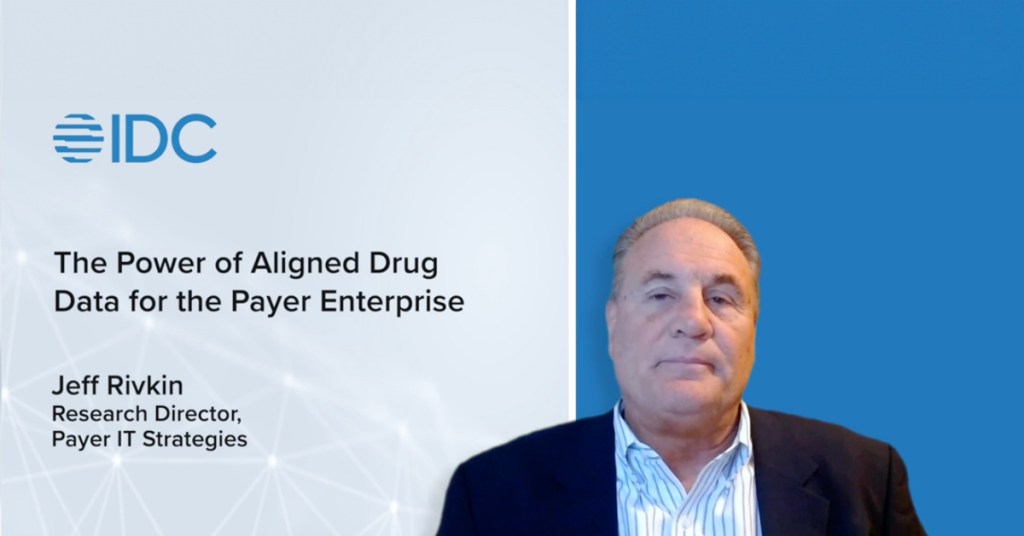
Healthcare data strategy is becoming an increasingly critical component of a payer’s overall operation. According to Jeff Rivkin, Research Director of Payer IT Strategies, IDC Health Insights, building this strategy will require a data-driven and comprehensive view of an organization’s data. In his video “The Power of Aligned Drug Data for the Payer Enterprise”, he outlines the impact of proactive data planning.
Payer data is the key to multiple areas of insight, including drug utilization, cost trends, and consumer demands and decision-making. Payer data is especially impactful when balancing efficiency and profit with patient and member safety. This level of nuanced decision-making requires aligned data that acknowledges all players involved in health plan decisions—especially drug and pricing information.
Both patients and employers are demanding more value from their drugs and medications, largely in response to increasing costs, more challenges to accessing and navigating care, and more interest in convenience. These pressures are especially severe for demographic groups who face disproportionate economic and social pressures.
To improve their experiences as members, Rivkin recommends that health plans invest in increasingly sophisticated data collection, analytics, and an overall healthcare data strategy focused on equity. This level of data use will require accurate member data as the basis for understanding the needs of diverse populations who benefit from targeted health equity initiatives. But these populations present a challenge in data collection, especially those who fall under the umbrella of ethnic, racial, and economic disparities. Payer investment in data collection and analytics will be a boon to any health equity strategy, as well as overall organizational goals.
These investments will also help support more sophisticated and effective care delivery systems and demonstrable equitable outcomes as you build a robust and resilient organization.
Navigating the drug data landscape is only becoming more challenging. The volume, speed and complexity of drug data is steadily increasing, and even introducing new transactional sources, including retail and patient-generated data.
This dynamic is probably best illustrated in the drug and healthcare data strategy challenges around value-based care contracting for prescription drugs—efforts that have been slowed because of challenges in intra-provider data sharing. Value-based care initiatives will favor players working on common systems where all parties can access a patient’s health history, the drugs they’ve been prescribed, adherence, and their outcomes as information for contracting. Interoperability at this level requires data that reflects a patient path as they move between providers and payers, when they begin new prescriptions, and when they receive a new diagnosis or begin a new treatment.
The future of payer success in drug pricing will require a healthcare data strategy that can keep up with a new pace of change in drug pricing and proactive decision making. Now is an excellent time to integrate new and historical drug pricing and prioritize a higher level of usability, speed, and efficiency in your operations.
Aligned data provides a single modernized view of a fragmented drug delivery system. The results of this level of alignment are multifold: efficient workflow and operations that can be innovatively automated, better patient satisfaction with reduced adverse events, increased medication safety, and improved patient medication adherence.
Watch the video from IDC analyst Jeff Rivkin and learn more about the impact of a solid data strategy.
When you have to be right
© 2024 Wolters Kluwer N.V. and/or its subsidiaries. All rights reserved.
This article was autogenerated from a news feed from CDO TIMES selected high quality news and research sources. There was no editorial review conducted beyond that by CDO TIMES staff. Need help with any of the topics in our articles? Schedule your free CDO TIMES Tech Navigator call today to stay ahead of the curve and gain insider advantages to propel your business!
Wolters Kluwer is a global leader in information, software solutions and services for professionals in healthcare; tax and accounting; financial and corporate compliance; legal and regulatory; corporate performance and ESG.
Select Language
Health
Trusted clinical technology and evidence-based solutions that drive effective decision-making and outcomes across healthcare. Specialized in clinical effectiveness, learning, research and safety.
Tax & Accounting
Enabling tax and accounting professionals and businesses of all sizes drive productivity, navigate change, and deliver better outcomes. With workflows optimized by technology and guided by deep domain expertise, we help organizations grow, manage, and protect their businesses and their client’s businesses.
ESG
Offering comprehensive tools and expert guidance to companies to help meet regulatory requirements to support sustainability efforts and manage ESG risks efficiently.
Finance
Our solutions for regulated financial departments and institutions help customers meet their obligations to external regulators. We specialize in unifying and optimizing processes to deliver a real-time and accurate view of your financial position.
Compliance
Enabling organizations to ensure adherence with ever-changing regulatory obligations, manage risk, increase efficiency, and produce better business outcomes.
Legal
Serving legal professionals in law firms, General Counsel offices and corporate legal departments with data-driven decision-making tools. We streamline legal and regulatory research, analysis, and workflows to drive value to organizations, ensuring more transparent, just and safe societies.
Healthcare data strategy is becoming an increasingly critical component of a payer’s overall operation. According to Jeff Rivkin, Research Director of Payer IT Strategies, IDC Health Insights, building this strategy will require a data-driven and comprehensive view of an organization’s data. In his video “The Power of Aligned Drug Data for the Payer Enterprise”, he outlines the impact of proactive data planning.
Payer data is the key to multiple areas of insight, including drug utilization, cost trends, and consumer demands and decision-making. Payer data is especially impactful when balancing efficiency and profit with patient and member safety. This level of nuanced decision-making requires aligned data that acknowledges all players involved in health plan decisions—especially drug and pricing information.
Both patients and employers are demanding more value from their drugs and medications, largely in response to increasing costs, more challenges to accessing and navigating care, and more interest in convenience. These pressures are especially severe for demographic groups who face disproportionate economic and social pressures.
To improve their experiences as members, Rivkin recommends that health plans invest in increasingly sophisticated data collection, analytics, and an overall healthcare data strategy focused on equity. This level of data use will require accurate member data as the basis for understanding the needs of diverse populations who benefit from targeted health equity initiatives. But these populations present a challenge in data collection, especially those who fall under the umbrella of ethnic, racial, and economic disparities. Payer investment in data collection and analytics will be a boon to any health equity strategy, as well as overall organizational goals.
These investments will also help support more sophisticated and effective care delivery systems and demonstrable equitable outcomes as you build a robust and resilient organization.
Navigating the drug data landscape is only becoming more challenging. The volume, speed and complexity of drug data is steadily increasing, and even introducing new transactional sources, including retail and patient-generated data.
This dynamic is probably best illustrated in the drug and healthcare data strategy challenges around value-based care contracting for prescription drugs—efforts that have been slowed because of challenges in intra-provider data sharing. Value-based care initiatives will favor players working on common systems where all parties can access a patient’s health history, the drugs they’ve been prescribed, adherence, and their outcomes as information for contracting. Interoperability at this level requires data that reflects a patient path as they move between providers and payers, when they begin new prescriptions, and when they receive a new diagnosis or begin a new treatment.
The future of payer success in drug pricing will require a healthcare data strategy that can keep up with a new pace of change in drug pricing and proactive decision making. Now is an excellent time to integrate new and historical drug pricing and prioritize a higher level of usability, speed, and efficiency in your operations.
Aligned data provides a single modernized view of a fragmented drug delivery system. The results of this level of alignment are multifold: efficient workflow and operations that can be innovatively automated, better patient satisfaction with reduced adverse events, increased medication safety, and improved patient medication adherence.
Watch the video from IDC analyst Jeff Rivkin and learn more about the impact of a solid data strategy.
When you have to be right
© 2024 Wolters Kluwer N.V. and/or its subsidiaries. All rights reserved.
This article was autogenerated from a news feed from CDO TIMES selected high quality news and research sources. There was no editorial review conducted beyond that by CDO TIMES staff. Need help with any of the topics in our articles? Schedule your free CDO TIMES Tech Navigator call today to stay ahead of the curve and gain insider advantages to propel your business!