Digital Transformation

Navigating the Future: Top 10 Technology Trends for Businesses in 2024 and Beyond

As businesses journey through 2024, the acceleration of digital transformation becomes a central narrative. This era, characterized by advanced computing, AI, and cybersecurity developments, is not merely a technological evolution—it is a fundamental shift in how businesses operate and innovate. Companies are now at a crossroads where embracing these changes is no longer optional but critical for survival and competitiveness.

Bill Gates: “If you invent a breakthrough in artificial intelligence, so machines can learn, that is worth 10 Microsofts.”

Mark Zuckerberg on AI and IoT: “You’re arguing against safer cars that aren’t going to have accidents, and you’re arguing against being able to better diagnose people when they’re sick.”

The technological landscape in 2024 is characterized by a diverse array of transformative trends, each reshaping different sectors and creating new paradigms


Read More

Is Elon Musk Set to Disrupt the Toyota Production System with “Alien Dreadnought”?

Elon Musk’s “Alien Dreadnought” vision promises a revolution in manufacturing by minimizing human intervention and augmenting automation in Tesla factories. Despite setbacks, the ambition to automate production processes persists, with hints of achieving this vision seen in Tesla’s 4680 battery cell production line. Limited human roles, advanced robotics, AI, machine learning, custom machinery, IoT, energy efficiency, and digital twin technology define the futuristic manufacturing system, which emphasizes efficiency and sustainability. Tesla’s shift from traditional Toyota Production System (TPS) to a more automated model could redefine global manufacturing practices.

Read More

Revolutionizing Business Innovation: Integrating AI with Cutting-Edge Frameworks for Future-Ready Strategies

the integration of AI with innovation frameworks like JTBD, Future Solving, Design Thinking, Lean Startup, and the Three Horizon Model represents a holistic approach for businesses to drive innovation. This combination enables companies to understand and meet current market needs, envision and prepare for future challenges, and maintain flexibility in their innovation strategies. Such a multifaceted approach is crucial for sustainable growth and maintaining a competitive edge in the ever-evolving digital landscape.

Read More

The Dawn of Hyper-Personalization: Revolutionizing Sales and Marketing with Advanced Technologies

The integration of technology in sales and marketing, especially Digital Experience Platforms (DXPs), Customer Data Platforms (CDPs), and Artificial Intelligence (AI), offers personalized customer experiences. By analyzing customer data from multiple sources, these technologies provide valuable insights for creating tailored marketing strategies, increasing customer engagement, and driving sales. However, it’s essential to maintain ethical data practices and security to build customer trust and adhere to regulations. Examples of effective implementation include Starbucks’ CDP-driven personalization and Netflix’s AI-generated recommendations.

Read More

CDO TIMES in depth Retail Trend Analysis – Part 1: The Role of AI in Revolutionizing Forecasting in Retail

AI-driven forecasting is transforming the retail sector by offering greater accuracy and efficiency in predicting market trends and managing inventory. This technology has been adopted by leading retailers like Walmart and Amazon, resulting in optimized inventory, reduced waste, improved profitability, and enhanced customer satisfaction. The approach, expected to evolve further with advancements in machine learning and deep learning, delivers vital tools to navigate complexities of contemporary markets.

Read More

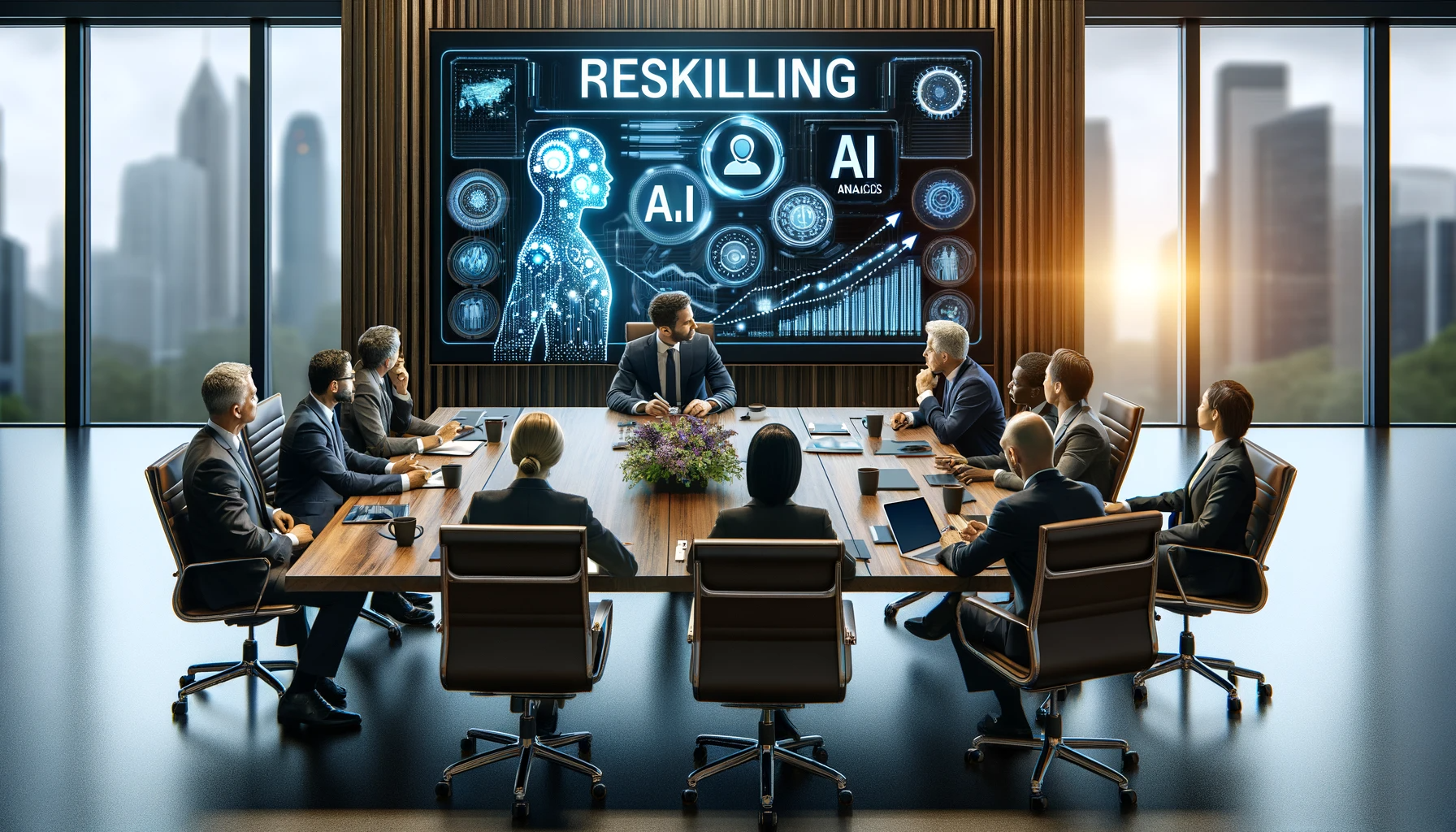
The Strategic Imperative of Reskilling: A C-Level Agenda in the Age of AI

The 21st century business environment necessitates continuous workforce reskilling, specifically for newer technologies like artificial intelligence and data analytics. Reskilling, a shift from traditional retraining, should be driven by C-Level executives, with middle management playing pivotal roles in implementation. Companies need to incorporate change management, tailored learning programs, and continuous evaluation in their reskilling strategy. Effective reskilling, supporting the company’s strategic goals, enables businesses to stay competitive and prepares them for future technology advancements.

Read More

AI and Work-Life Harmony: A New Paradigm

The integration of Artificial Intelligence (AI) into daily life is revolutionizing the balance between work and personal life. Its potential to automate routine tasks enables more creativity and personal growth, drastically transforming work-life balance norms. Cases from Google and IBM reveal its efficiency to foster healthy work environments and increase productivity. A future with AI reveals shorter workweeks, more time for creative tasks, thereby reshaping our lifestyle and work cultures. However, challenges such as ethical considerations and the need for AI literacy persist.

Read More

Embracing Customer-Centric Transformation – The Story of LEGO

LEGO’s business model, focusing on continuous innovation, customer feedback, and social responsibility, has allowed the company to thrive even in challenging times. Unlike traditional models, LEGO concentrates on its purpose, relevance to customers, and overall societal impact. Its transformations, due to profound customer understanding, and adaptability to market demands, have shifted LEGO from mere toy production to serving as an inspiration for creativity and learning. This holistic strategy, emphasizing long-term value creation and societal contributions, turned LEGO around from near-bankruptcy to a resilient, global leader.

Read More

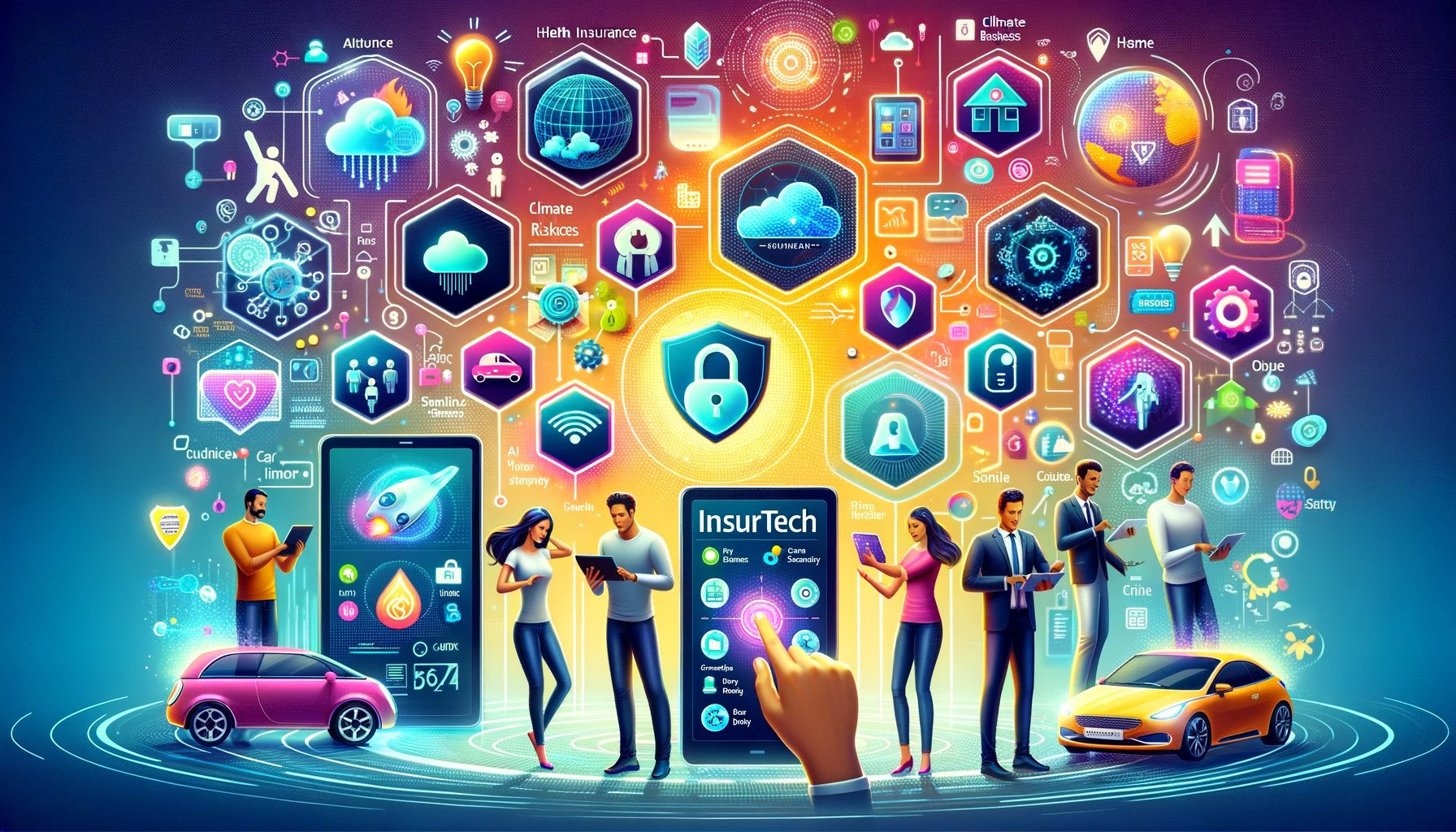
Harnessing Insurtech: Navigating Digital Tides in Insurance

Insurtech is revolutionizing the insurance sector with AI, enhanced operational resilience, investment opportunities, ESG strategies, and improved customer experiences. Case studies highlight companies like Zurich Insurance adopting insurtech for improved customization and efficiency. Growth indicators, emerging startups, and strategic collaborations indicate a vibrant insurtech landscape. Future developments focus on improved user experience, data security, sustainable practices, and cyber resilience. Insurtech is redefining risk management, bolstering customer engagement, and creating growth opportunities for insurance providers.

Read More

Aligning Technology Roadmaps with Business Vision: A Modern Framework Leveraging Horizon Planning and Agile Methods

Building a robust and future-ready technology roadmap is neither a straightforward nor a one-time task. It requires constant attention, a keen eye for detail, and a deep understanding of both technological advancements and business objectives. By paying heed to the moving-target, resource-focus, and evolution-revolution dilemmas, executives can set their companies on a path to long-term success. Incorporating newer frameworks like Agile and Horizon Planning can further fine-tune the adaptability of your roadmap.

Read More