Sam Altman, Demis Hassabis, Dario Amodei urge tougher controls on synthetic DNA, AI bioweapons – The News International
Other signatories include Microsoft’s Mustafa Suleyman and Meta Platforms Chief AI Officer Alexandr Wang
Top AI companies CEOs have been joining hands with security experts and urging for tougher regulations against AI-powered biological threats and synthetic nucleic acids.
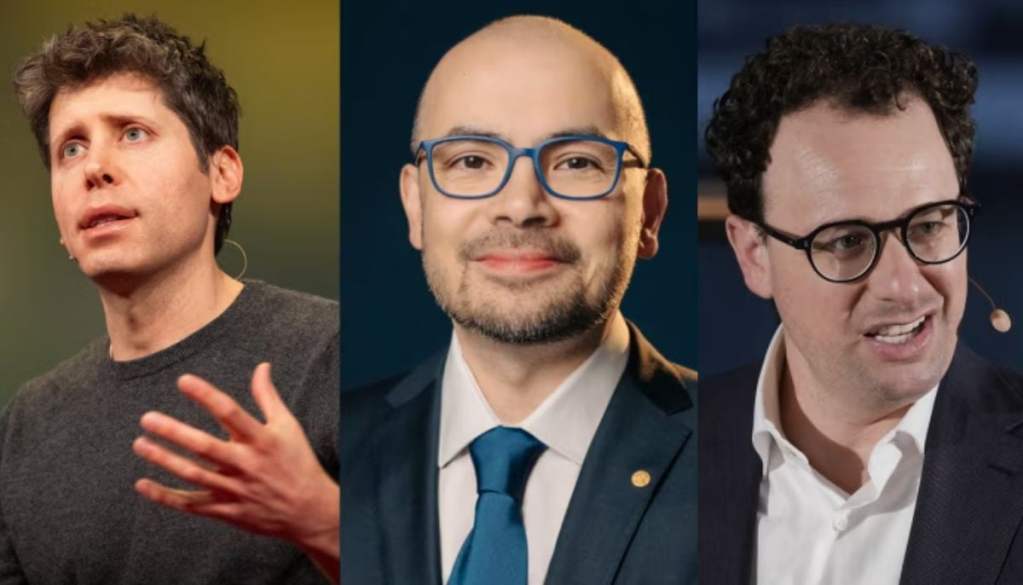
The most notable chief executives include OpenAI chief Sam Altman, Google’s DeepMind AI lab Demis Hassabis and Anthropic CEO Dario Amodei who jointly signed a letter to the Congress, calling for robust safeguards and oversight over companies that deal with synthetic DNA and RNA.
Other signatories include Microsoft’s Mustafa Suleyman and Meta Platforms Chief AI Officer Alexandr Wang.
The rationale behind this move is that tech moguls want to put aforementioned companies under scrutiny, preventing them from selling any combination that could be lethal and ensuring the legitimacy of the customers who place the order, so that synthetic nucleic acids do not fall in wrong hands.
“AI systems are improving rapidly, and alongside incredible benefits to science and medicine, there is a real possibility that the knowledge barriers which have historically prevented bad actors from obtaining biological weapons will meaningfully erode,” the letter says.
Although in the field of biotechnology, these concerns are not new, the advent of AI tools has been worsening the fears related to biotech breakthroughs and biological weapons.
The move comes after Trump signed an executive order, obliging AI developers to voluntarily provide early access to advanced frontier models equipped with major cyber capabilities before releasing them to the public, aiming to push for AI cyber defenses.
The regulatory landscape regarding the protection is ridden with divisive viewpoints. For instance, the supporters of the screening, including the Foundation for American Innovation argue that the risks of biological weapons are too high to ignore. Therefore, “Congress should pass a law so that it applies to all purchasers of synthetic nucleic acids.”
On the other hand, opponents defining “dangerous” combinations of nucleic acids are inherently subjective and warn that the financial burden of compliance could clamp down innovation and harm startups.
Copyright © 2026. The News International, All Rights Reserved
source
This is a newsfeed from leading technology publications. No additional editorial review has been performed before posting.