AI Strategy

Weighing Risk and Reward with Generative AI Vendor Selection: A Comprehensive Guide for CDOs

Generative AI, with its transformative impact across industries, poses both opportunities and risks. The incident of Sam Altman’s dismissal and reinstatement at OpenAI underscores the volatility of the AI market and the importance of stable leadership. Chief Digital and Data Officers (CDOs) must strategically evaluate vendor selection, considering ethical compliance, scalability, and risk mitigation strategies.

Read More
Unlocking the Power of Generative AI: A Comprehensive AI Pilot Guide

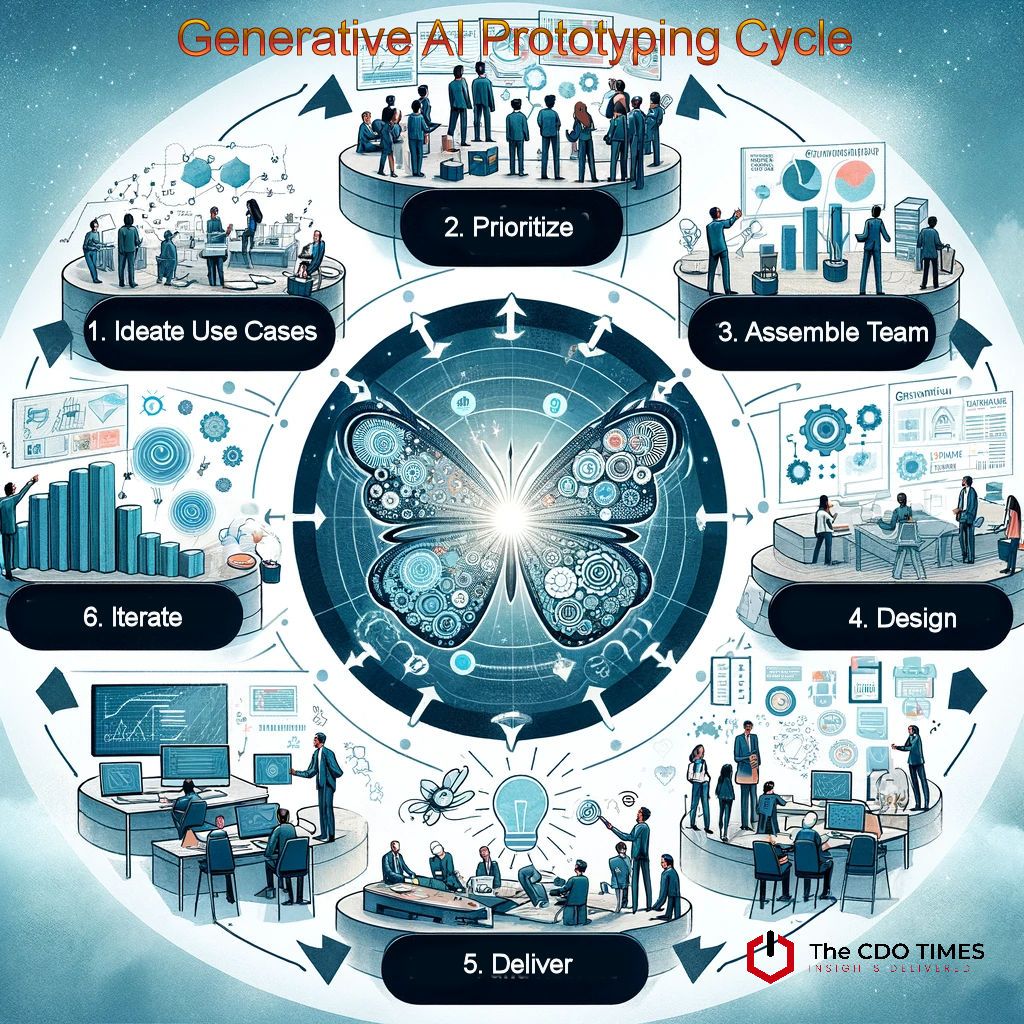
Generative AI represents a new era in artificial intelligence. Unlike traditional AI systems that rely on predefined rules and patterns, Generative AI possesses the remarkable ability to generate content, whether it be text, images, or even music, autonomously. This capability is made possible by neural networks, particularly models like OpenAI’s GPT-4, which can understand and generate human-like text with astonishing accuracy. Many organizations are looking at ways to take advantage of this disruptive innovation. At CDO TIMES we take the guesswork away from you by providing implementation frameworks for a generative AI pilots.

Read More

Is Elon Musk Set to Disrupt the Toyota Production System with “Alien Dreadnought”?

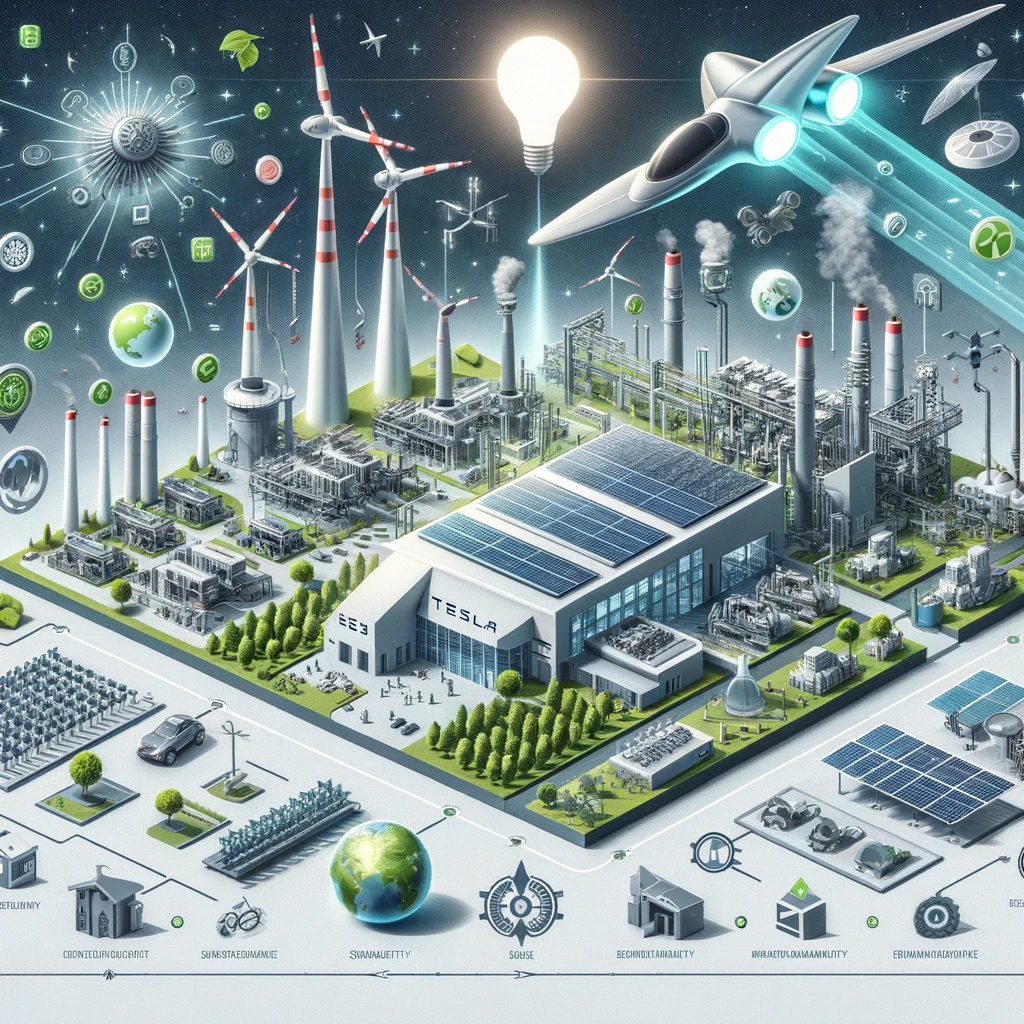
Elon Musk’s “Alien Dreadnought” vision promises a revolution in manufacturing by minimizing human intervention and augmenting automation in Tesla factories. Despite setbacks, the ambition to automate production processes persists, with hints of achieving this vision seen in Tesla’s 4680 battery cell production line. Limited human roles, advanced robotics, AI, machine learning, custom machinery, IoT, energy efficiency, and digital twin technology define the futuristic manufacturing system, which emphasizes efficiency and sustainability. Tesla’s shift from traditional Toyota Production System (TPS) to a more automated model could redefine global manufacturing practices.

Read More

Revolutionizing Business Innovation: Integrating AI with Cutting-Edge Frameworks for Future-Ready Strategies

the integration of AI with innovation frameworks like JTBD, Future Solving, Design Thinking, Lean Startup, and the Three Horizon Model represents a holistic approach for businesses to drive innovation. This combination enables companies to understand and meet current market needs, envision and prepare for future challenges, and maintain flexibility in their innovation strategies. Such a multifaceted approach is crucial for sustainable growth and maintaining a competitive edge in the ever-evolving digital landscape.

Read More

The Dawn of Hyper-Personalization: Revolutionizing Sales and Marketing with Advanced Technologies

The integration of technology in sales and marketing, especially Digital Experience Platforms (DXPs), Customer Data Platforms (CDPs), and Artificial Intelligence (AI), offers personalized customer experiences. By analyzing customer data from multiple sources, these technologies provide valuable insights for creating tailored marketing strategies, increasing customer engagement, and driving sales. However, it’s essential to maintain ethical data practices and security to build customer trust and adhere to regulations. Examples of effective implementation include Starbucks’ CDP-driven personalization and Netflix’s AI-generated recommendations.

Read More

The Digital Retail Odyssey: Charting the Course for Tomorrow’s Retail Landscape

This series explores the digital retail revolution, focusing on how AI, IoT, and data analytics are shaping the sector. Predicted growth in AI and IoT indicates a shift to personalized, data-driven retail models. Topics include AI in forecasting and personalization, supply chain transformation through micro-fulfillment, IoT in manufacturing, and AI’s role in enhancing customer experience. The series aims to equip retail industry leaders with strategic insights for navigating these technological changes.

Read More

The Strategic Imperative of Reskilling: A C-Level Agenda in the Age of AI

The 21st century business environment necessitates continuous workforce reskilling, specifically for newer technologies like artificial intelligence and data analytics. Reskilling, a shift from traditional retraining, should be driven by C-Level executives, with middle management playing pivotal roles in implementation. Companies need to incorporate change management, tailored learning programs, and continuous evaluation in their reskilling strategy. Effective reskilling, supporting the company’s strategic goals, enables businesses to stay competitive and prepares them for future technology advancements.

Read More

The 2024 Election: Navigating the Maze of Deepfakes, Misinformation, and AI-Powered Persuasion

As the 2024 elections approach, concerns about AI-driven misinformation and deepfakes grow. With technology accessible to average users, the possibility to manipulate and fabricate information, especially in political contexts, poses a serious challenge to democracy. Misinformation can influence public opinion, misrepresent facts, and deepen political divides. To combat this, robust detection systems, public education, clear policies, and regulations are required. Both voters and authorities need to be vigilant about source credibility and content authenticity.

Read More

AI and Work-Life Harmony: A New Paradigm

The integration of Artificial Intelligence (AI) into daily life is revolutionizing the balance between work and personal life. Its potential to automate routine tasks enables more creativity and personal growth, drastically transforming work-life balance norms. Cases from Google and IBM reveal its efficiency to foster healthy work environments and increase productivity. A future with AI reveals shorter workweeks, more time for creative tasks, thereby reshaping our lifestyle and work cultures. However, challenges such as ethical considerations and the need for AI literacy persist.

Read More

AI’s Tipping Point: Sam Altman’s Shock Exit and 2 day Re-Hire Mirrors Steve Jobs’ Apple 10 year Ouster, Signaling a New Era of Change Acceleration in Tech Leadership

The abrupt dismissal of Sam Altman from OpenAI, reflecting a pivotal situation similar to Steve Jobs’ departure from Apple, signifies a critical milestone in the AI industry, highlighting tensions between AI’s commercial prospects and societal impact. This raises questions about strategic direction, ethical governance, and commercial tactics in AI development. Drawing parallels with multiple industry sectors, the post calls for a balance in democratizing AI benefits while addressing the associated ethical dilemmas, biases, and regulatory challenges. The future of AI is deemed reliant on visionary leadership, ethical foresight, and strategic adaptability.

Read More