Technology

Breville Case Study: A Recipe for Success – Blending Strategy with Smart Kitchen Innovation

Breville’s strategic investment in smart kitchen appliances reflects the growing demand for technology-enhanced culinary experiences. With a global market trend favoring smart kitchen appliances, Breville’s connected ecosystem and IoT-enabled devices enhance user experience, customer engagement, and operational efficiency. However, challenges, such as data privacy and cost, present considerations for sustained growth. Future directions point to AI advancements and deeper integration with smart home systems, promising a revolution in home cooking by aligning with modern lifestyle needs. We look at trends, the market and deep dive into Breville’s strategy in this article.

Read More

The Top 5 Reasons Why AI Initiatives Fail

The complexities of AI transformations can lead to significant challenges and unmet expectations. Unveiling the reasons behind failure, the article highlights misalignment with business objectives, data quality challenges, a widening skills gap, underestimation of integration complexity, and the proliferation of AI use cases as key obstacles. These issues are addressed through strategic alignment, prioritizing data quality and literacy, bridging the skills gap, and prioritizing seamless integration and robust governance. Real-world examples underscore the importance of these strategies in navigating the complexities of AI transformations successfully. We are evaluating why AI initiatives fail and what the lessons learned are that business leaders can learn from.

Read More

Embracing the Shadow: Navigating the Impact of the 2024 Solar Eclipse on Our Digital World

On April 8th, 2024, a total solar eclipse will cast a shadow across North America, offering a rare spectacle and a chance to study the Sun’s corona. Scientists and technologists are preparing for potential disruptions to technology caused by the Sun’s activities, highlighting the need for preparedness. Businesses are urged to fortify infrastructure, enhance data redundancy, and prioritize resilience. Read more about this and improve your business resilience,

Read More

Navigating the Future: Strategies for Thriving in the Age of Disruption

In an age of rapid technological change, businesses face profound transformations driven by digital and social media, AI, big data, and IoT. This revolution offers unprecedented opportunities but also demands strategic adaptation. Successful strategies include digital transformation, data innovation, technology investment, and cultivating organizational agility to navigate and capitalize on the waves of change. In this article we explore strategies on how you can future proof your organization.

Read More

Navigating the Green Dilemma: The Hidden Environmental Toll of Generative AI

The escalating energy demands of generative AI technologies are at the heart of a looming crisis, prompting a critical reevaluation of the sustainability of AI. Efforts are underway to quantify and mitigate AI’s environmental impact, including strategies for energy-efficient model design and legislative measures. Digital leaders must proactively integrate sustainability into technology evaluation and selection, aligning innovation with ecological stewardship for a green future. In this article we explore what digital leaders can do to do their part to make sustainable decisions for their digital transformation programs.

Read More

Beyond CAPTCHA: Fortifying Your Website Security

In today’s interconnected digital world, CAPTCHA serves as a milestone in security, but as cyber threats evolve, a dynamic, multifaceted approach is paramount. From SSL/TLS encryption to Web Application Firewalls, the journey beyond CAPTCHA’s limitations explores sophisticated security measures. Regular audits, CSP, MFA, and patching also bolster security, with innovative user-friendly alternatives on the rise.

Read More

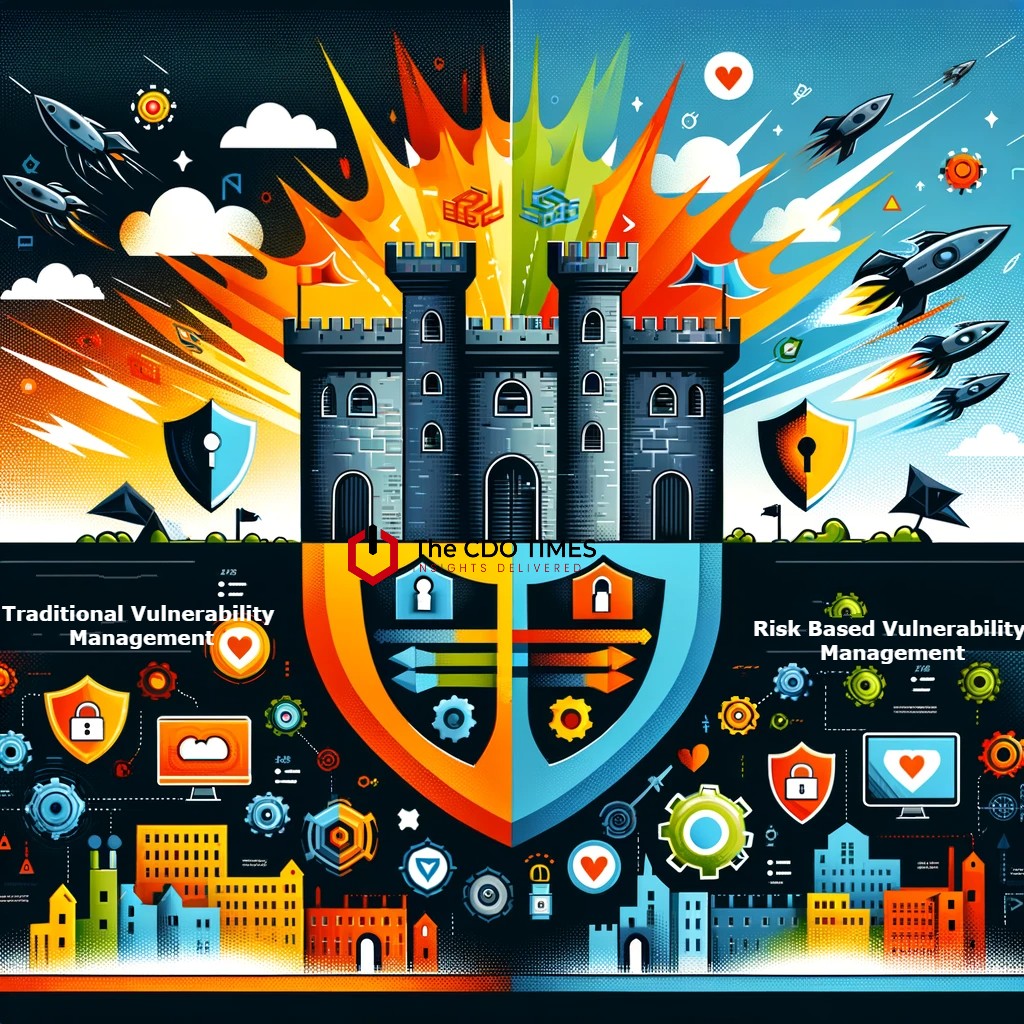
Revolutionizing Cybersecurity: The Power of Risk-Based Vulnerability Management (RBVM)

The digital transformation has brought new cybersecurity challenges, leading to the emergence of Risk-Based Vulnerability Management (RBVM). RBVM prioritizes vulnerabilities based on their potential impact, enabling more effective allocation of resources and reduced organizational risk. Implementing RBVM involves steps such as asset inventory creation, security gap identification, holistic risk assessment, and leveraging automation. Leading RBVM providers include Tenable, Qualys, and Rapid7, among others, offering unique value propositions. By embracing RBVM, organizations can enhance their cybersecurity posture and allocate resources more effectively, safeguarding critical operations in an increasingly digital world. In this article we take an in depth look at the new approach on how to manage and prioritize the remediation of vulnerabilities at your organization.

Read More

The Role of a Chief Resilience Officer in Safeguarding Business Operations

The Chief Resilience Officer (CRO) plays a pivotal role in safeguarding organizations against diverse disruptions. Responsibilities include cyber resilience, business continuity, incident management, third-party management, financial resilience, and physical security. The CRO’s role is evolving to address climate change, advanced cyber threats, technological innovation, organizational culture, and broader risk management. Collaboration with other executives and strategic advisory to the CEO are integral to the CRO’s mission, highlighting resilience as a crucial strategic investment for the future.

Read More

Why CDO’s are ‘cheerleaders’ for data

The role of a Chief Data Officer (CDO) in the digital landscape is pivotal, encompassing data governance, ethics, and strategic vision. Highlighting data’s value, advocating for literacy, and fostering accessibility, the CDO drives organizational change. Through collaborative initiatives as seen in Arkansas, the CDO becomes a catalyst for innovation, efficiency, and a more informed approach to leadership, reflecting the evolving significance of data in all industries.

Read More

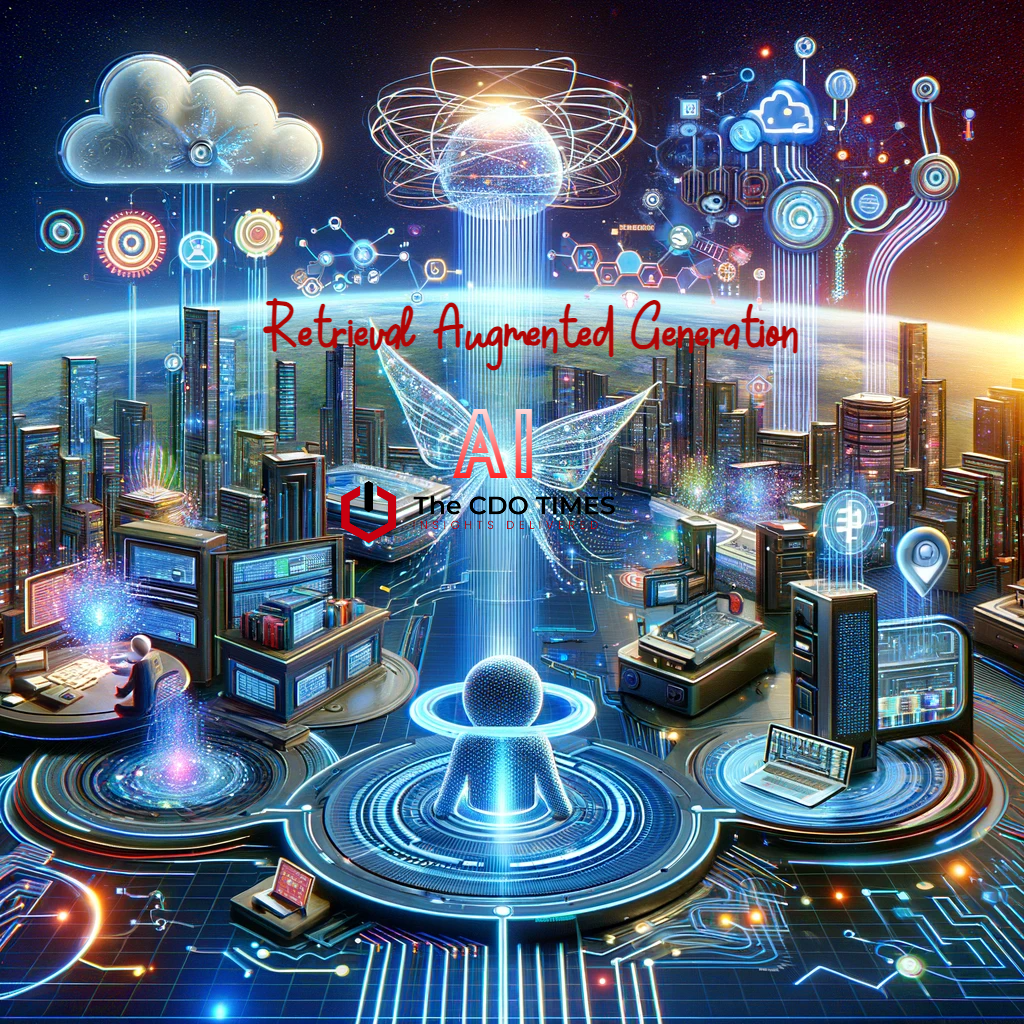
Empowering AI with Retrieval Augmented Generation: A Strategic Guide for CIOs

Retrieval Augmented Generation (RAG) is revolutionizing enterprise search, especially when integrated with Azure AI Search. RAG constrains AI applications to enterprise-specific content, resulting in contextually aware and accurate responses. Azure AI Search offers robust indexing, query capabilities, and comprehensive content support, enabling enhanced AI capabilities. RAG’s strategic advantages include improved data insights, streamlined onboarding, and productivity enhancements through human-AI collaboration. This transformative technology will be vital for businesses seeking to leverage AI and data for operational excellence and competitive advantage. This is a strategic guide for CIOs, CDOs and other senior leaders looking to capture the power of artificial intelligence in their organization in a well architected, secure and flexible way with your own company data.

Read More