Culture

Nike’s Brutal Leadership Lesson: A Case Study on John Donahue’s Exit and the Revival Plan with Elliott Hill

John Donahue’s tenure as CEO of Nike focused on digital innovation and Direct-to-Consumer sales, resulting in a notable rise in digital revenue. However, his strategies led to lost connections with athletes and retailers, drawing criticism. With Elliott Hill’s return, Nike aims to balance digital advancements with its cultural roots, rekindling core relationships.

Read More

Why Giants Fall: Embrace Disruption Before it Embraces You

The article discusses the failures of Kodak, Blockbuster, and Nokia as cautionary tales about the importance of adapting to digital transformation. It emphasizes how corporate giants fail due to leadership reluctance, cultural inertia, and short-term focus. To avoid similar fates, companies must prioritize innovation, invest in emerging technologies, and embrace disruption.

Read More

Breaking the Status Quo: Building a Future-Focused Innovation Roadmap

In the rapidly changing world of business and technology, organizations must shift from sustaining innovation to disruptive innovation. This involves envisioning a future state, creating a roadmap to achieve it, and embracing AI for autonomous transformation. Companies that fail to do so risk being disrupted, while those that lead with a future-focused mindset will thrive.

Read More

Building a Digital-First Enterprise Culture: A Playbook for C-Level Leaders

By Carsten Krause | August 20, 2024 The Imperative of a Digital-First Enterprise Culture In the post-pandemic era, the rapid acceleration of digital transformation has forced organizations to rethink how they operate. The urgency of digital adaptation was clear when businesses had to pivot almost overnight to survive during the – See more –

Read More

GenAI Sticker Shock Sends CIOs in Search of AI Ops Solutions

Generative AI is revolutionizing technology with its content creation and data analysis capabilities, but CIOs are facing unexpected financial challenges. The high costs of specialized hardware and energy consumption require strategic attention. Leveraging GPUaaS, open-source and domain-specific models, and sustainable practices can optimize generative AI investments. Continuous innovation and strategic partnerships are crucial for cost control and efficiency. In this article we break out the different key areas of AI FinOps, contrast with FinOps and provide an overview of the marketplace, the innovation happening right now and an action plan for you to follow.

Read More

Is Your Boss a Sith or a Jedi? Navigating Organizational Dynamics with Star Wars Wisdom

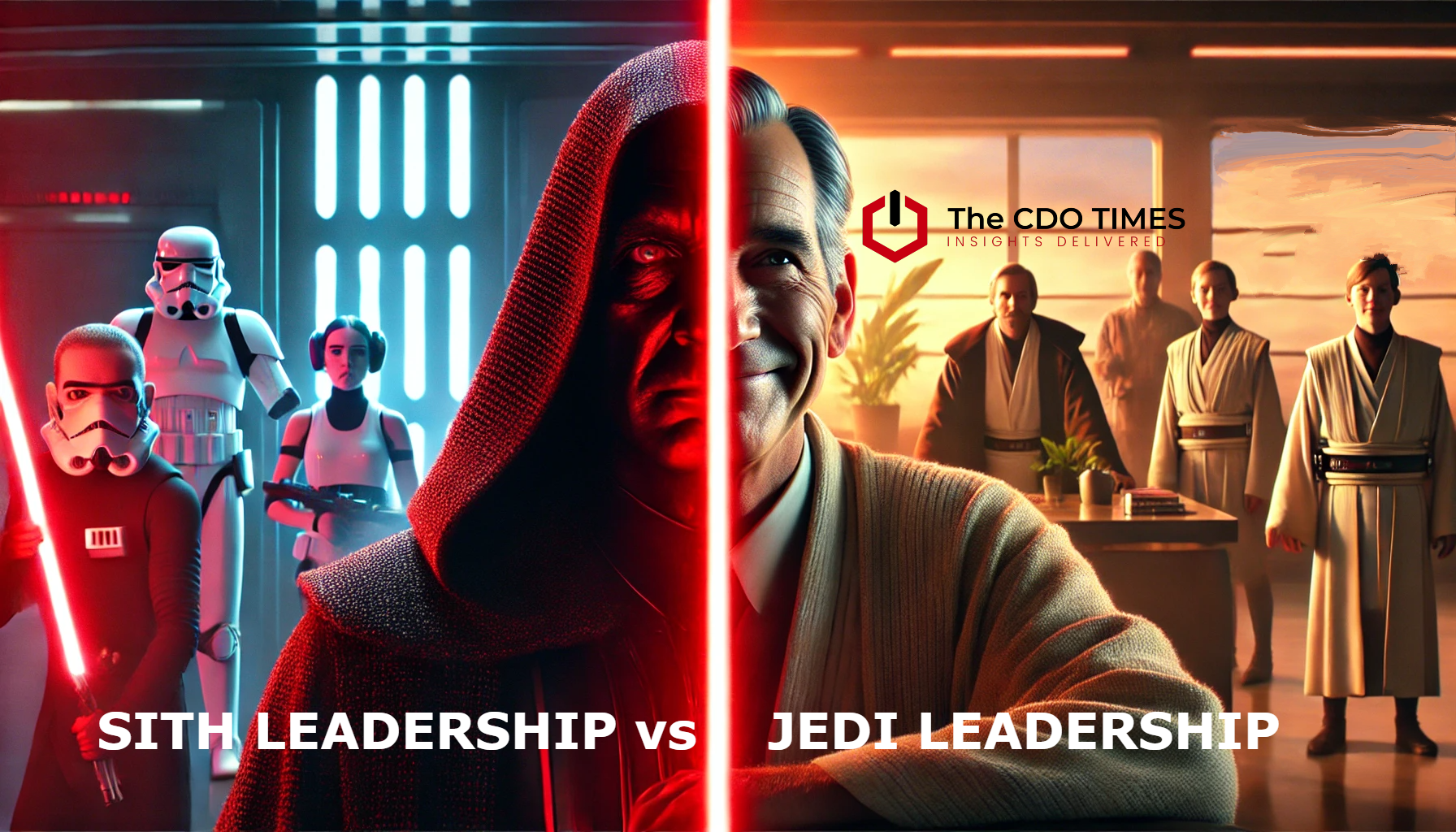
Is your boss a Sith or Jedi Leader? While it may seem humorous on the surface, this analogy can provide deep insights into leadership styles and how to thrive under each. The Star Wars saga offers insights into leadership styles for corporate environments. Sith leaders prioritize command, control, and tradition, akin to figures like Steve Jobs and Elon Musk. Jedi leaders emphasize ethical behavior, inspiration, and innovation, akin to Mahatma Gandhi and Nelson Mandela. Understanding and adapting to these styles can enhance workplace effectiveness and satisfaction. Explore how to survive and thrive in both environments – sometimes even combining these skills. May the Force be With You!

Read More

Don’t Loose Your Human Touch: Skills to Hone in the Age of Artificial Intelligence

The relentless march of Artificial Intelligence (AI) has raised concerns about humans being overshadowed. However, the future is not about competition between Human Intelligence (HI) and AI, but rather their collaboration to elevate intelligence. Emotional intelligence, creativity, lifelong learning, critical thinking, adaptability, and ethical AI practices are essential for individuals and businesses to thrive in the age of AI. Promoting these skills and embracing AI as a collaborative partner will be key to success in an increasingly automated world.

Read More

Building a Future-Ready IT Infrastructure: A CIO Playbook

Embracing the Future of IT and Business Composability

In a rapidly evolving digital landscape, organizations seek future-ready IT infrastructure. Key components include scalability, security, interoperability, resilience, and performance optimization. Emerging technologies like cloud computing, containers, AI, IoT, and 5G play vital roles. Architectural principles such as MACH, cloud architecture frameworks, and composable business models are essential for building a future-ready IT infrastructure. Real-world examples from companies like LEGO, Netflix, Walmart, and Daimler AG demonstrate the transformative potential of these strategies.

Read More

The Evolving Role of the CIO in Digital Transformation

The Chief Information Officer (CIO) role has evolved from a technical IT manager to a strategic business leader spearheading digital transformation and innovation. CIOs now integrate advanced technologies, drive organizational change, and prioritize customer-centric strategies. Successful CIOs possess visionary leadership, change management skills, and prioritize data analytics and collaboration for digital success.

Read More

The CIO’s Playbook for Navigating Economic Uncertainty

CIOs face challenges in managing IT during economic uncertainty. Turbulent times result from market volatility, geopolitical tensions, policy changes, and global events. This affects IT strategy through budget constraints, operational challenges, increased focus on efficiency, cybersecurity risks, and supply chain disruptions. Prioritizing strategic investments, rigorous cost management, fostering innovation, and enhancing operational agility are essential for success. Strengthening vendor relationships, data-driven decision-making, transparent communication, and investing in people are key strategies for navigating economic uncertainty.

Read More