
How did Kenya put forth one of the best Ebola response strategy in the world? – TV47 Digital
Michael Majanga
This week, the Africa Centres for Disease Control and Prevention (CDC) praised Kenya for its “quick and efficient” Ebola containment progress.
In fact, the Africa CDC said that the country’s response to the Bundibugyo Ebola outbreak would act as a continental model, even as cumulative confirmed cases surpassed 10,600, with more than 5,200 deaths.
According to the Ministry of Health (MoH), Kenya reported its first imported case on October 6, has so far reported nine confirmed cases and two deaths, from the 669 samples tested, marking a test positivity rate of 1.35 percent.
On Friday, November 6, the MoH reported that Kenya was nearing the final stage of its Ebola response after six patients recovered from the disease, with zero new infections recorded for 18 consecutive days.
Director-General for Health Dr. Patrick Amoth said only one patient remains under care and is receiving treatment and close monitoring.
Dr. Amoth also revealed that 66 contacts had completed the mandatory 21-day monitoring period and returned home, while another 52 were expected to complete their quarantine by November 11.
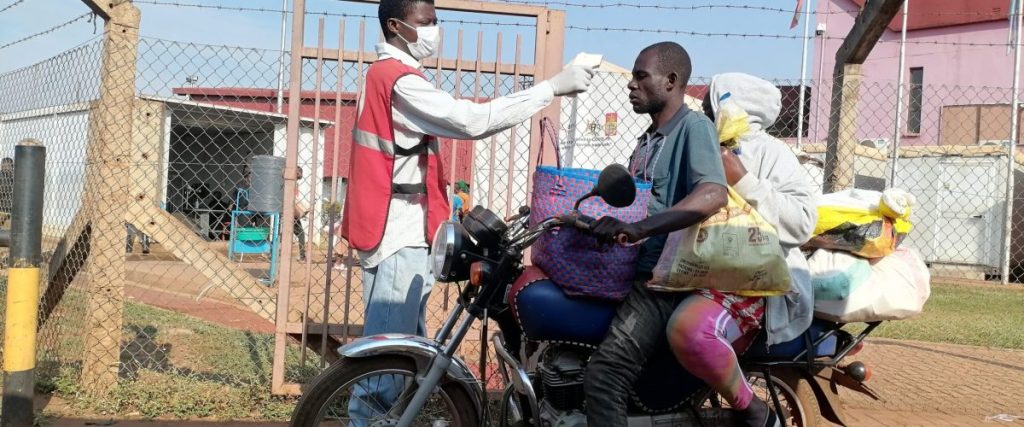
The Ministry is attributing the excellent progress to early detection, isolation and treatment of patients, contact tracing and monitoring. The Ministry also insists that it will maintain surveillance at all 26 points of entry, with more than 760,000 travellers so far screened. It said that it will also keep emergency operation centres and rapid response teams on alert across the country.
According to Dr. Amoth, Kenya is yet to start the countdown to being declared Ebola-free, and said the 42-day period would begin once the last patient is discharged from the treatment centre after testing free of the virus.
“When the last patient leaves the treatment centre free of the virus, Kenya will begin a 42-day countdown, twice the longest time it takes for the illness to appear. If no new case is recorded in those 42 days, the outbreak will be declared over. Until that day, we must not let down our guard,” Dr. Amoth said.
Another agency that has also helped Kenya with Ebola response is the Kenya Red Cross Society (KRCS). Months before Kenya confirmed its first Ebola case on October 6, 2026, KRCS volunteers were already going door to door across the country’s western belt, along the main overland routes from Uganda, where the risk of an imported case was perceived highest.
Working alongside the MoH and county health teams, the volunteers helped families in Busia, Bungoma, Trans Nzoia, West Pokot, Turkana and Kisumu recognize the early signs of the disease and know where to report them.
It is interesting to know that that work began in May, when the Bundibugyo virus disease outbreak was declared in the Democratic Republic of the Congo. It has since become one of the largest Ebola outbreaks on record and with no approved vaccine or treatment for this strain, early detection remains essential.
As MoH placed Kenya on high alert, KRCS began supporting screening at border points including Busia and Malaba and trained volunteers and staff to detect suspected cases early through screening and community-based surveillance.
Awareness also reached beyond the border counties. Between May and October, KRCS technical staff gave 10 interviews on national radio and TV outlets, sharing Ebola signs, symptoms and how to report suspected cases with audiences across the country.
Preparations also covered the most sensitive part of any Ebola response. KRCS volunteers and a select of county health teams across the seven strategic SDB teams first trained in Safe and Dignified Burials (SDB) in 2023 received refresher trainings.
Personal Protective Equipment and valuable commodities including disinfectants were prepositioned in the most at-risk areas. This work was made possible by partners including the UNOCHA through the Kenya Humanitarian Fund (KHF), IFRC (with funding from the US State Department and esteemed DREF partners), the Norwegian and Danish Red Cross, and the European Union through ECHO among other critical partners.
When the first case was eventually confirmed, the groundwork was already in place.
The first case did not come overland. The patient, a Kenyan who had been living in the DRC, travelled by road to Kampala and flew into Nairobi on October 3, 2026. Because KRCS had built its surveillance, burial and public information capacity nationally and not only in the border counties, the response did not depend on where the case entered.
“Within hours of the announcement, KRCS shifted from preparedness to response. In support of MoH, the organization called for calm and urged the public to rely on official information, asking people to report suspected cases through the MoH toll-free line 719 or the KRCS line 1199. Teams stepped up support to health facilities, community engagement and community-based surveillance, while volunteers intensified door-to-door awareness,” KRCS says.
As further cases were confirmed and contacts were traced and placed in quarantine, the organizations’ role widened to include psychosocial support for affected families and readiness for Safe and Dignified Burials, a responsibility KRCS holds nationally.
The organisation acknowledges that when a person dies of Ebola, the risk of transmission does not end there. The body remains highly infectious and burial is one of the highest-risk points in any outbreak. Trained KRCS teams in full protective equipment handle remains, disinfect and conduct burials that protect the community while respecting the wishes and faith of the family. Because KRCS has been preparing for this role since well before October, teams were ready the moment they were needed. SDB teams were first activated when the first case was announced, all the regional teams strategically positioned in Nairobi, Busia, Bungoma, Uasin Gishu, Kisumu, Migori and Mombasa were put on standby mode. When the call was made regarding the first death, the KRCS Nairobi team were activated and did exactly what they were trained to do.
Your email address will not be published.
Researchers and health professionals from across the world gathered at Mount Kenya University…
*we hate spam as much as you do
source
This article was autogenerated from a news feed from CDO TIMES selected high quality news and research sources. There was no editorial review conducted beyond that by CDO TIMES staff. Need help with any of the topics in our articles? Schedule your free CDO TIMES Tech Navigator call today to stay ahead of the curve and gain insider advantages to propel your business!
This week, the Africa Centres for Disease Control and Prevention (CDC) praised Kenya for its “quick and efficient” Ebola containment progress.
In fact, the Africa CDC said that the country’s response to the Bundibugyo Ebola outbreak would act as a continental model, even as cumulative confirmed cases surpassed 10,600, with more than 5,200 deaths.
According to the Ministry of Health (MoH), Kenya reported its first imported case on October 6, has so far reported nine confirmed cases and two deaths, from the 669 samples tested, marking a test positivity rate of 1.35 percent.
On Friday, November 6, the MoH reported that Kenya was nearing the final stage of its Ebola response after six patients recovered from the disease, with zero new infections recorded for 18 consecutive days.
Director-General for Health Dr. Patrick Amoth said only one patient remains under care and is receiving treatment and close monitoring.
Dr. Amoth also revealed that 66 contacts had completed the mandatory 21-day monitoring period and returned home, while another 52 were expected to complete their quarantine by November 11.
The Ministry is attributing the excellent progress to early detection, isolation and treatment of patients, contact tracing and monitoring. The Ministry also insists that it will maintain surveillance at all 26 points of entry, with more than 760,000 travellers so far screened. It said that it will also keep emergency operation centres and rapid response teams on alert across the country.
According to Dr. Amoth, Kenya is yet to start the countdown to being declared Ebola-free, and said the 42-day period would begin once the last patient is discharged from the treatment centre after testing free of the virus.
“When the last patient leaves the treatment centre free of the virus, Kenya will begin a 42-day countdown, twice the longest time it takes for the illness to appear. If no new case is recorded in those 42 days, the outbreak will be declared over. Until that day, we must not let down our guard,” Dr. Amoth said.
Another agency that has also helped Kenya with Ebola response is the Kenya Red Cross Society (KRCS). Months before Kenya confirmed its first Ebola case on October 6, 2026, KRCS volunteers were already going door to door across the country’s western belt, along the main overland routes from Uganda, where the risk of an imported case was perceived highest.
Working alongside the MoH and county health teams, the volunteers helped families in Busia, Bungoma, Trans Nzoia, West Pokot, Turkana and Kisumu recognize the early signs of the disease and know where to report them.
It is interesting to know that that work began in May, when the Bundibugyo virus disease outbreak was declared in the Democratic Republic of the Congo. It has since become one of the largest Ebola outbreaks on record and with no approved vaccine or treatment for this strain, early detection remains essential.
As MoH placed Kenya on high alert, KRCS began supporting screening at border points including Busia and Malaba and trained volunteers and staff to detect suspected cases early through screening and community-based surveillance.
Awareness also reached beyond the border counties. Between May and October, KRCS technical staff gave 10 interviews on national radio and TV outlets, sharing Ebola signs, symptoms and how to report suspected cases with audiences across the country.
Preparations also covered the most sensitive part of any Ebola response. KRCS volunteers and a select of county health teams across the seven strategic SDB teams first trained in Safe and Dignified Burials (SDB) in 2023 received refresher trainings.
Personal Protective Equipment and valuable commodities including disinfectants were prepositioned in the most at-risk areas. This work was made possible by partners including the UNOCHA through the Kenya Humanitarian Fund (KHF), IFRC (with funding from the US State Department and esteemed DREF partners), the Norwegian and Danish Red Cross, and the European Union through ECHO among other critical partners.
When the first case was eventually confirmed, the groundwork was already in place.
The first case did not come overland. The patient, a Kenyan who had been living in the DRC, travelled by road to Kampala and flew into Nairobi on October 3, 2026. Because KRCS had built its surveillance, burial and public information capacity nationally and not only in the border counties, the response did not depend on where the case entered.
“Within hours of the announcement, KRCS shifted from preparedness to response. In support of MoH, the organization called for calm and urged the public to rely on official information, asking people to report suspected cases through the MoH toll-free line 719 or the KRCS line 1199. Teams stepped up support to health facilities, community engagement and community-based surveillance, while volunteers intensified door-to-door awareness,” KRCS says.
As further cases were confirmed and contacts were traced and placed in quarantine, the organizations’ role widened to include psychosocial support for affected families and readiness for Safe and Dignified Burials, a responsibility KRCS holds nationally.
The organisation acknowledges that when a person dies of Ebola, the risk of transmission does not end there. The body remains highly infectious and burial is one of the highest-risk points in any outbreak. Trained KRCS teams in full protective equipment handle remains, disinfect and conduct burials that protect the community while respecting the wishes and faith of the family. Because KRCS has been preparing for this role since well before October, teams were ready the moment they were needed. SDB teams were first activated when the first case was announced, all the regional teams strategically positioned in Nairobi, Busia, Bungoma, Uasin Gishu, Kisumu, Migori and Mombasa were put on standby mode. When the call was made regarding the first death, the KRCS Nairobi team were activated and did exactly what they were trained to do.
Your email address will not be published.
Researchers and health professionals from across the world gathered at Mount Kenya University…
*we hate spam as much as you do
source
This article was autogenerated from a news feed from CDO TIMES selected high quality news and research sources. There was no editorial review conducted beyond that by CDO TIMES staff. Need help with any of the topics in our articles? Schedule your free CDO TIMES Tech Navigator call today to stay ahead of the curve and gain insider advantages to propel your business!


