Inside TIAA’s massive IT transformation to fuel business growth – cio.com
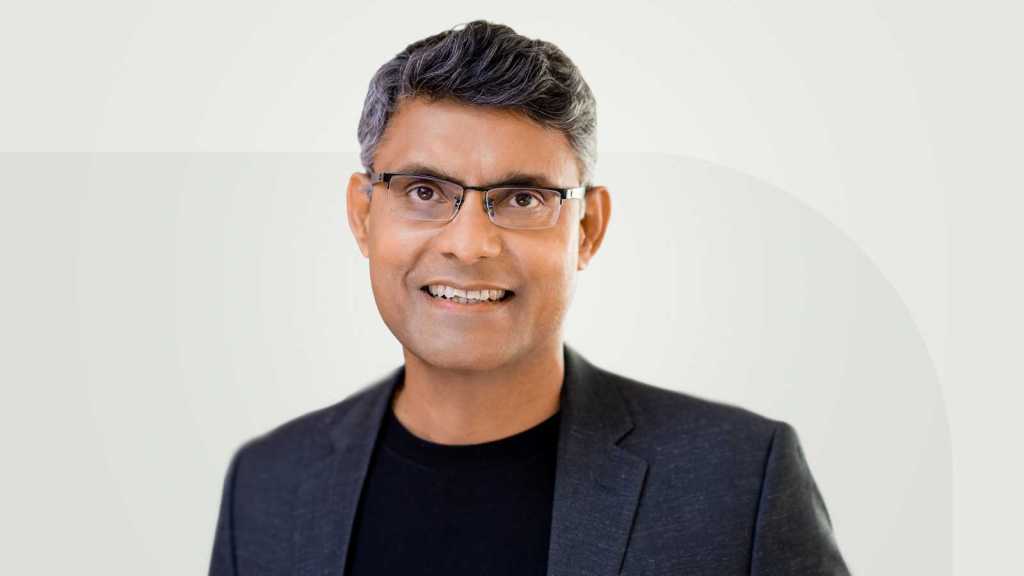
When Sastry Durvasula joined TIAA in early 2022, he saw an organization fighting against outdated legacy technologies and in need of a major IT refresh.
Since then, the nonprofit has completed two phases of a comprehensive transformation initiative called Technology Ecosystem Transformation, or TETRIS, leading to a huge reduction in tech debt and a major expansion of functionality for customers.
The ongoing project, anchored in cloud and AI technologies, started in 2023 with phase one that modernized the core technology stack with 10 new enterprise platforms. Phase two, launched in late 2024, went further by enabling 87 use cases across all major lines of the business.
The project, for example, allowed TIAA to launch its MyChoice Multi-Year Guaranteed Annuity product, and helped create the TIAA Gateway portal, an API-based suite that integrates with partners in retirement and wealth planning using industry standards.
TETRIS phase one took home a CIO 100 Award in 2025, and phase two received a CIO 100 Award in 2026.
Durvasula, TIAA’s chief operating, information, and digital officer, pitched the multimillion-dollar TETRIS project to the board as a three-pronged strategy, with empowering business growth, fueling innovation, and transforming the IT core as its key goals.
Not only did TETRIS need to modernize the company’s IT systems, decommission legacy processes, and automate other processes, but Durvasula pitched it as the way to expand the reach of TIAA’s products and move the company into the future.
“As you expect in a company of our size, we have problems of yesterday, today, and tomorrow being solved at the same time,” he says.
As TETRIS moved into phase two, project leaders shifted their goals from pure technology modernization to business outcome-driven prioritization. So once phase one delivered needed IT platforms like a data cloud and design studio, TIAA pivoted toward enabling business use cases.
This business-first approach ensured continuing executive support and clear ROI at every key milestone, TIAA says.
In 2022, just before the project launched, more than 80% of TIAA’s IT workloads resided in fragmented, end-of-life platforms, which created operational risk, compromised security and resilience, and constrained its ability to innovate. Through TETRIS phase two, however, the organization has cut that tech debt nearly in half.
And consolidating 17 design systems also led to digital products looking and behaving differently, depending on the team that designed them, and accelerated product launches by 35%, enabled multi-lingual capabilities, and increased accessibility to more than 185,000 customers who don’t speak English.
In addition, TETRIS allowed TIAA to combine multiple middleware systems and data lakes, Durvasula says, and the organization moved mainframe applications and data center infrastructure to the cloud.
TETRIS has been a huge project, with the company saying it empowered TIAA to have one of the largest leapfrog moments in company history in its submission for the 2026 CIO 100 Award.
Despite the reported failure rates of large transformation projects — some estimates suggest up to 95% fail to meet their goals — TETRIS was essential to keep TIAA competitive and move it forward in the market, Durvasula says.
A big part of the project has been workflow modernization, he says, because TIAA were using some technologies and workflows that were decades old.
“There’s your classical platform and application rationalization, and then there’s your end-of-support, end-of-life stuff that should’ve been remediated long ago,” he says. “Some of the processes we have, because we’re such a large, old company, were designed when the internet just came along.”
Two keys to pulling off such a large project are establishing metrics for success and transparency with leadership, Durvasula says. Project leaders set milestones to indicate when things went well, and they planned for bumps in the road so the TIAA board knew when setbacks happened.
“Not everything is as pretty as it sounds in an awards application, but the success measures we established with our board were based on both phases,” he says. “For the first one, we said we’d deliver enterprise-grade platforms and accomplish migration objectives, but not tied to any specific business objectives.”
Phase two metrics focused more on business objectives, and the project team kept the TIAA board updated as TETRIS moved forward. Setting realistic goals was important, he says, with the team determined not to overpromise results.
“Large programs have a range of objectives, and if you publish the outcomes you’re looking for, people start looking for them, especially stakeholders, the C-suite, and board,” he says. “You have to be honest about which metrics or KPIs you can deliver in the first and second year, and when you’ll start seeing real business scale and impact, which definitely won’t be that soon in a large program like this.”
Goals also need to be flexible, Durvasula says, so transparency with leadership sometimes means telling them the project needs to reset. “If something doesn’t go well, what’s the level of fungibility you have?” he says. “We pick this tool, but what if it doesn’t work? You need to have a plan B.”
So TIAA’s IT team is heavily focused on flexible systems, and what was contemporary three years ago is probably legacy now, especially thanks to AI.
Another big lesson from a project of this size is the need to focus on change management. Retiring old IT systems requires the organization to bring employees along on the journey and convince them the changes are for the better.
TIAA established a multi-disciplinary team to implement a change management program focusing on breaking down silos and setting common adoption goals across the organization and its lines of business. Stakeholder forms and a huge focus on continuous collaboration helped employees understand the need for the changes.
“It’s a big organizational change,” Durvasula says. “If you’re working on a legacy system, and you think at some point it’s going to be modernized, then you become a legacy talent, and won’t have a job.” But the right change management program can convince these employees they can upskill and bring value to the new systems.
“You can bring your functional knowledge of the business and learn new technical skills,” he says. “It’s a massive culture- and people-change initiative as much as tech initiative.”
TIAA’s change management efforts were also made easier because TETRIS happened at the same time as the recent AI boom and involved AI elements. So it wasn’t hard to convince employees they needed to improve their AI skills.
“Because of AI, everybody woke up to this new reality,” he says. “We rode that wave when transformation drove from a cultural and organizational change management point.”
Grant Gross, a senior writer at CIO, is a long-time IT journalist who has focused on AI, enterprise technology, and tech policy. He previously served as Washington, D.C., correspondent and later senior editor at IDG News Service. Earlier in his career, he was managing editor at Linux.com and news editor at tech careers site Techies.com. As a tech policy expert, he has appeared on C-SPAN and the giant NTN24 Spanish-language cable news network. In the distant past, he worked as a reporter and editor at newspapers in Minnesota and the Dakotas. A finalist for Best Range of Work by a Single Author for both the Eddie Awards and the Neal Awards, Grant was recently recognized with an ASBPE Regional Silver award for his article “Agentic AI: Decisive, operational AI arrives in business.”
Sponsored Links
source
This is a newsfeed from leading technology publications. No additional editorial review has been performed before posting.