US-UAE create first defense technology task force for cybersecurity – Interesting Engineering
From daily news and career tips to monthly insights on AI, sustainability, software, and more—pick what matters and get it in your inbox.
Access expert insights, exclusive content, and a deeper dive into engineering and innovation all with fewer ads or a completely ad-free experience.
All Rights Reserved, IE Media, Inc.
Follow Us On
Access expert insights, exclusive content, and a deeper dive into engineering and innovation all with fewer ads or a completely ad-free experience.
All Rights Reserved, IE Media, Inc.
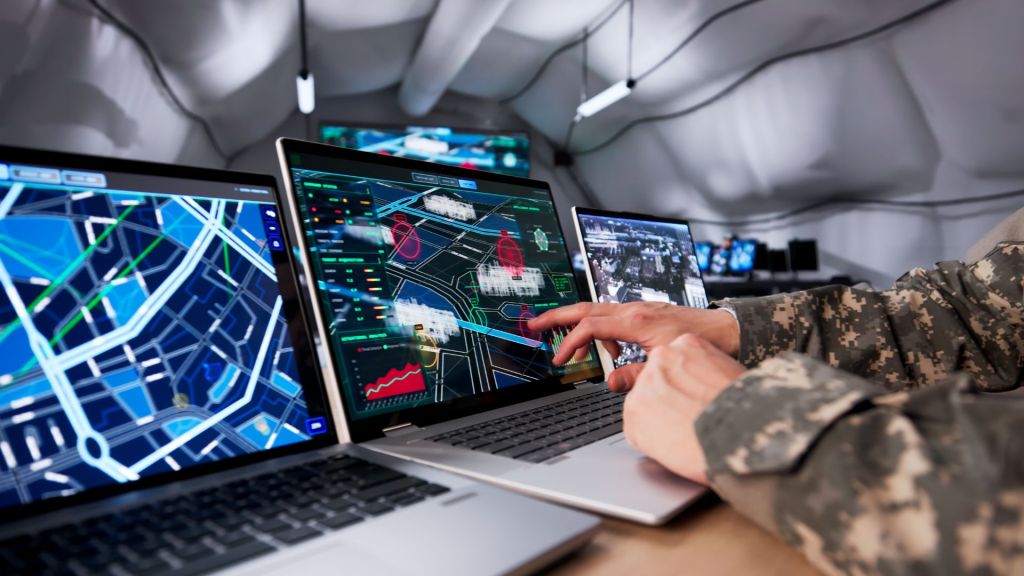
The first U.S.-UAE military artificial intelligence task force will develop technologies designed to improve intelligence support and cybersecurity.
The U.S. Central Command (CENTCOM) and the United Arab Emirates are preparing to launch a joint military task force dedicated to artificial intelligence, marking the first bilateral initiative of its kind between the two partners. The new unit, called Task Force Talon Synapse, will develop and field AI-powered capabilities for military operations, with an emphasis on intelligence, infrastructure security, and regional threat monitoring.
CENTCOM expects to formally activate the task force in the coming weeks. The team will operate from Abu Dhabi and bring together about 20 American and Emirati specialists with backgrounds in artificial intelligence, data science, and cybersecurity.
The initiative reflects Washington’s growing push to integrate artificial intelligence into defense operations alongside trusted regional allies. Instead of focusing on research alone, Task Force Talon Synapse will work on turning emerging AI technologies into practical tools that military personnel can use in the field.
Adm. Brad Cooper, commander of U.S. Central Command, described the effort as a major step for the partnership. “This will be a historic milestone,” Cooper said, adding that the two countries aim to deliver evolving AI capabilities to warfighters more quickly. He said both partners share a commitment to adopting AI technologies that encourage innovation at speed and scale.
The task force will initially concentrate on three operational areas. Teams will develop AI applications for intelligence support, strengthen the protection of critical infrastructure, and improve monitoring of the regional security environment.
The idea for the joint task force did not emerge overnight. Cooper and UAE National Security Advisor Sheikh Tahnoon bin Zayed Al Nahyan first discussed creating such a unit last year as both governments explored ways to deepen cooperation on advanced technologies.
That effort gained momentum in recent months. CENTCOM officials met with Emirati defense representatives and artificial intelligence industry leaders during a regional visit last month to refine the concept before announcing the partnership.
Unlike many defense collaborations that revolve around equipment purchases, the new organization will place technical specialists from both countries in the same operational team. That structure could help accelerate testing, development, and deployment of AI-driven military applications.
The agreement also fits into the UAE’s broader strategy of embedding artificial intelligence across its defense sector. For several years, the Gulf nation has pursued partnerships with technology companies to strengthen autonomous systems, advanced analytics, and digital security capabilities.
One example came through its collaboration with Anduril to co-produce autonomous drones designed for defense missions. The UAE has also expanded government support for artificial intelligence across civilian and military programs, treating the technology as a long-term national priority.
AI cooperation has increasingly featured in discussions between Washington and Abu Dhabi. During Sheikh Tahnoon bin Zayed Al Nahyan’s visit to the White House in March 2025, officials from both countries discussed artificial intelligence, emerging technologies, and broader bilateral ties.
Task Force Talon Synapse represents another step in that relationship, giving both militaries a dedicated team to move AI projects from concept to operational use. If successful, the model could influence how the United States approaches future AI partnerships with allied nations.
Aamir is a seasoned tech journalist with experience at Exhibit Magazine, Republic World, and PR Newswire. With a deep love for all things tech and science, he has spent years decoding the latest innovations and exploring how they shape industries, lifestyles, and the future of humanity.
Premium
Follow
source
This is a newsfeed from leading technology publications. No additional editorial review has been performed before posting.