Nansen API adds backtesting data and faster top-ups for strategy replay – Crypto Briefing
Searching…
The onchain analytics platform now lets traders replay strategies against historical data without look-ahead bias, while automating credit management across multiple chains.
Share
Nansen just made its API considerably more useful for the traders who actually build things on top of it. The onchain analytics platform rolled out expanded historical backtesting endpoints and an overhauled credit system that eliminates one of the more annoying friction points in its product.
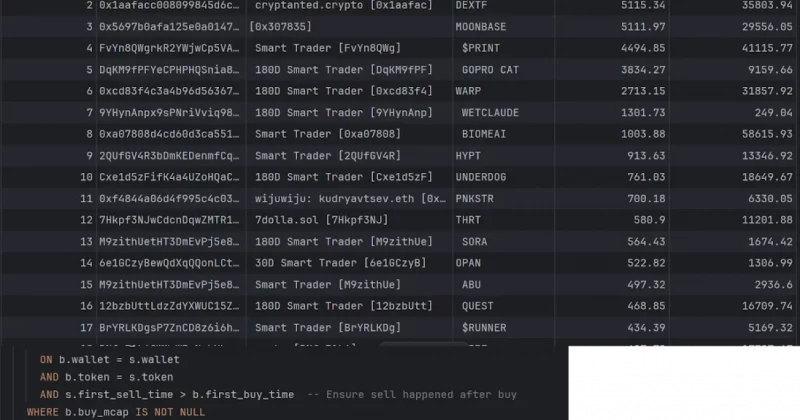
The backtesting piece is the bigger deal. Traders can now replay their strategies against Nansen’s historical onchain data, including Token God Mode metrics and Smart Money signals, at any past date. The key detail: no look-ahead bias.
Nansen’s new endpoints let users query the exact data the platform had at any given historical moment. You’re testing against what you would have actually seen, not what you know now. For anyone building algorithmic strategies around onchain signals, this is the difference between a useful backtest and an expensive delusion.
The new historical endpoints include top holders and DEX trades data, each costing 5 credits per call. That pricing structure matters when you’re running thousands of queries to validate a strategy across multiple timeframes and market conditions.
For context, Nansen’s Pro API plan comes with 2,000 starter credits per month, priced between $49 and $69. A trader running a thorough backtest could burn through those credits quickly, which is where the second half of this update becomes relevant.
Here’s the thing about Nansen’s previous credit system: running out of credits meant manual recharges that could take 1-2 days to process. If you’re mid-research or running an automated pipeline, a two-day pause isn’t a minor inconvenience. It’s a workflow killer.
The new auto top-up feature lets users set a threshold. When their credit balance drops below that level, the system automatically replenishes it. No manual intervention, no waiting.
Nansen also added instant crypto purchases for credits, supporting stablecoins and selected native tokens across Solana, Ethereum, Base, and Polygon.
Backtesting against Smart Money signals is particularly interesting. Nansen’s Smart Money labels track wallets that have historically demonstrated profitable trading behavior. Being able to replay how those signals performed during, say, the last major market drawdown gives traders a way to stress-test strategies that rely on following or fading those wallets.
The 5-credits-per-call pricing for historical endpoints creates an interesting dynamic. At that rate, a Pro plan user gets roughly 400 historical queries per month before needing to top up. That’s enough for casual analysis but probably insufficient for anyone running systematic backtests across multiple tokens and timeframes. The auto top-up feature starts to look less like a convenience and more like a necessity for the platform’s most active users.
The muted initial reaction to these updates is worth noting but not surprising. No major coverage or expert comments appeared in the first 24 hours following the announcement, suggesting these changes are more about product enhancements rather than signaling an impending major partnership or token release.
The onchain analytics platform now lets traders replay strategies against historical data without look-ahead bias, while automating credit management across multiple chains.
Share
Nansen just made its API considerably more useful for the traders who actually build things on top of it. The onchain analytics platform rolled out expanded historical backtesting endpoints and an overhauled credit system that eliminates one of the more annoying friction points in its product.
The backtesting piece is the bigger deal. Traders can now replay their strategies against Nansen’s historical onchain data, including Token God Mode metrics and Smart Money signals, at any past date. The key detail: no look-ahead bias.
Nansen’s new endpoints let users query the exact data the platform had at any given historical moment. You’re testing against what you would have actually seen, not what you know now. For anyone building algorithmic strategies around onchain signals, this is the difference between a useful backtest and an expensive delusion.
The new historical endpoints include top holders and DEX trades data, each costing 5 credits per call. That pricing structure matters when you’re running thousands of queries to validate a strategy across multiple timeframes and market conditions.
For context, Nansen’s Pro API plan comes with 2,000 starter credits per month, priced between $49 and $69. A trader running a thorough backtest could burn through those credits quickly, which is where the second half of this update becomes relevant.
Here’s the thing about Nansen’s previous credit system: running out of credits meant manual recharges that could take 1-2 days to process. If you’re mid-research or running an automated pipeline, a two-day pause isn’t a minor inconvenience. It’s a workflow killer.
The new auto top-up feature lets users set a threshold. When their credit balance drops below that level, the system automatically replenishes it. No manual intervention, no waiting.
Nansen also added instant crypto purchases for credits, supporting stablecoins and selected native tokens across Solana, Ethereum, Base, and Polygon.
Backtesting against Smart Money signals is particularly interesting. Nansen’s Smart Money labels track wallets that have historically demonstrated profitable trading behavior. Being able to replay how those signals performed during, say, the last major market drawdown gives traders a way to stress-test strategies that rely on following or fading those wallets.
The 5-credits-per-call pricing for historical endpoints creates an interesting dynamic. At that rate, a Pro plan user gets roughly 400 historical queries per month before needing to top up. That’s enough for casual analysis but probably insufficient for anyone running systematic backtests across multiple tokens and timeframes. The auto top-up feature starts to look less like a convenience and more like a necessity for the platform’s most active users.
The muted initial reaction to these updates is worth noting but not surprising. No major coverage or expert comments appeared in the first 24 hours following the announcement, suggesting these changes are more about product enhancements rather than signaling an impending major partnership or token release.
All content is for informational purposes only and does not constitute investment advice. CryptoBriefing does not provide recommendations to buy, sell, or hold any asset or contract. See our Disclaimer & Risk Disclosure.
© Decentral Media and Crypto Briefing® 2026.
Sign in to your account
Create your account
Already have an account? Sign In
Forgot your password?
Sign In
Daily news, analysis & market insights delivered free.
source
This is a newsfeed from leading technology publications. No additional editorial review has been performed before posting.