Digital Strategy

Impact of 2024 Election on Tech Policies and Innovation

Our analysis compares technology policy approaches between the Harris-Walz and Trump campaigns, highlighting distinct stances on data privacy, AI, cybersecurity, and workforce development. Harris-Walz advocates for stringent regulations and government-backed initiatives, while Trump promotes deregulation and self-regulation, aiming to stimulate innovation. These contrasting views will shape America’s digital future significantly.

Read More

AI-Empowered Consumers Are Here. Is Your Business Ready?

This article discusses the emergence of AI-empowered consumers, who can access real-time information and expect personalization from businesses. By 2025, AI is anticipated to manage half of customer interactions, demanding transparency and seamless experiences. Companies must adapt by integrating AI tools, delivering customized services, and embracing transparency to maintain customer trust and loyalty. Is your business ready?

Read More

Time Efficiency Over Transportation: A Case Study of Uber’s Consumer-Centric Model

Uber has revolutionized urban mobility by prioritizing time efficiency over traditional transportation services. The company’s strategic shift from selling transportation to selling time has positioned it as a leader in the marketplace, catering to modern consumer needs for convenience and efficiency. Through innovations like autonomous vehicles, advanced AI, and integrated smart city initiatives, Uber’s commitment to saving time reinforces its competitive edge and promises a more efficient, sustainable urban transportation ecosystem.

Read More

The Evolving Role of the CIO in Digital Transformation

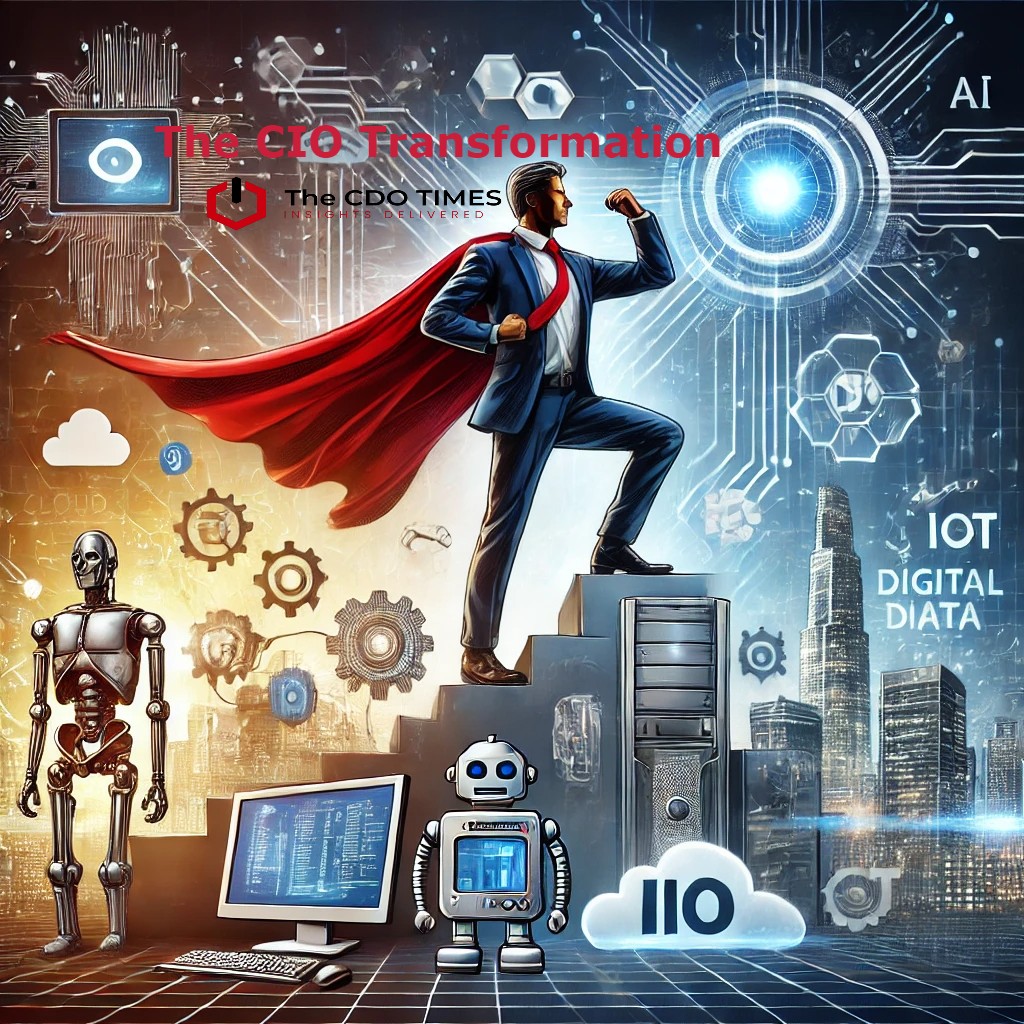
The Chief Information Officer (CIO) role has evolved from a technical IT manager to a strategic business leader spearheading digital transformation and innovation. CIOs now integrate advanced technologies, drive organizational change, and prioritize customer-centric strategies. Successful CIOs possess visionary leadership, change management skills, and prioritize data analytics and collaboration for digital success.

Read More

The CIO’s Playbook for Navigating Economic Uncertainty

CIOs face challenges in managing IT during economic uncertainty. Turbulent times result from market volatility, geopolitical tensions, policy changes, and global events. This affects IT strategy through budget constraints, operational challenges, increased focus on efficiency, cybersecurity risks, and supply chain disruptions. Prioritizing strategic investments, rigorous cost management, fostering innovation, and enhancing operational agility are essential for success. Strengthening vendor relationships, data-driven decision-making, transparent communication, and investing in people are key strategies for navigating economic uncertainty.

Read More

The Golden Era of 1st Party Data: Navigating Regulatory Changes and Harvesting Customer Insights

The digital marketing landscape is shifting from third-party cookies to 1st party data. Stringent regulations are phasing out third-party cookies, prompting businesses to rely on 1st party data for personalized marketing. This data, collected directly from customers, offers enhanced privacy compliance, data quality, personalization, and long-term relationships. Businesses are advised to invest in technology and prioritize transparent, privacy-compliant data practices.

Read More

Boston Dynamics: Pioneering Robotics and AI Integration

Boston Dynamics, a leader in robotics, has revolutionized automation with its advanced machines like Atlas, Spot, and Stretch. The company’s success in diverse sectors like construction, oil and gas, and public safety signals a bright future for robotics. With the market projected to reach $74.1 billion by 2026, the integration of AI and machine learning will further drive innovation and adoption across industries.

Read More

Coca-Cola’s Digital Transformation: Leveraging Technology for Enhanced Customer Experience, Channel Partner Engagement, and Internal Innovation

Coca-Cola has embraced digital transformation, using AI, IoT, and digital twins to enhance consumer experiences, engage channel partners, and drive internal innovation. These initiatives have led to personalized marketing, improved operational efficiency, and more accurate demand forecasting. The company’s success offers valuable lessons for C-level executives and signifies its leadership in digital innovation.

Read More

Defying the Odds: Strategies for Successful Corporate Transformation

Large corporations often undertake transformation programs, but only 12% succeed. Results show a decline in failures, but the same success rate since 2013. Six key practices can enhance transformation success: continuous transformation, integration into daily operations, managing organizational energy, setting ambitious goals, driving change from the middle out, and securing substantial external capital. These strategies provide a roadmap for lasting success.

Read More

The Rise of AI Personal Assistants: Trends, Innovations, and Future Directions

AI personal assistants are transforming everyday life, integrating memory and personalized support. Innovations from Google and Microsoft showcase proactive, intuitive assistance. ChatGPT 4 introduces voice and visual interaction, shaping a new era. Future assistants will excel in contextual awareness, emotional intelligence, and multimodal interactions, promising enhanced user experiences and ethical usage. As these technologies evolve, they will become essential tools for personal and professional settings.

Read More